Yes, steam cleaning can work on grout when the grout is intact and the surface is suitable. Heated vapour loosens dirt and buildup; brushing and extraction remove what the steam has lifted. It can refresh a shower or tiled floor, but it cannot fill missing grout, mend cracks or make failed caulking sound again.
The deciding question is what is making the grout look dirty. If it is accumulated soil or soap scum, cleaning may be enough. If the line is pitted, permanently discoloured or breaking apart, the answer may be repair or a different finish. At Team Grout, we assess the tile, grout and surrounding joints before recommending steam cleaning, because a cleaner surface is only a good result if the underlying problem has been addressed.
What steam cleaning actually does to grout
Grout lines are textured, and dirt can remain in them even after the neighbouring tile looks clean. Steam cleaning directs heated vapour at the surface to loosen buildup. A suitable brush provides agitation, then wiping or extraction takes the loosened material away. If that last step is skipped, grime can settle back into the grout as the moisture dries.
The distinction matters: steam is a way to clean grout, not a way to restore its structure. A dark grout line might contain removable soil, a deep stain or a gap that looks dark because the surface is uneven. Those conditions can look similar from across the bathroom and call for different work.
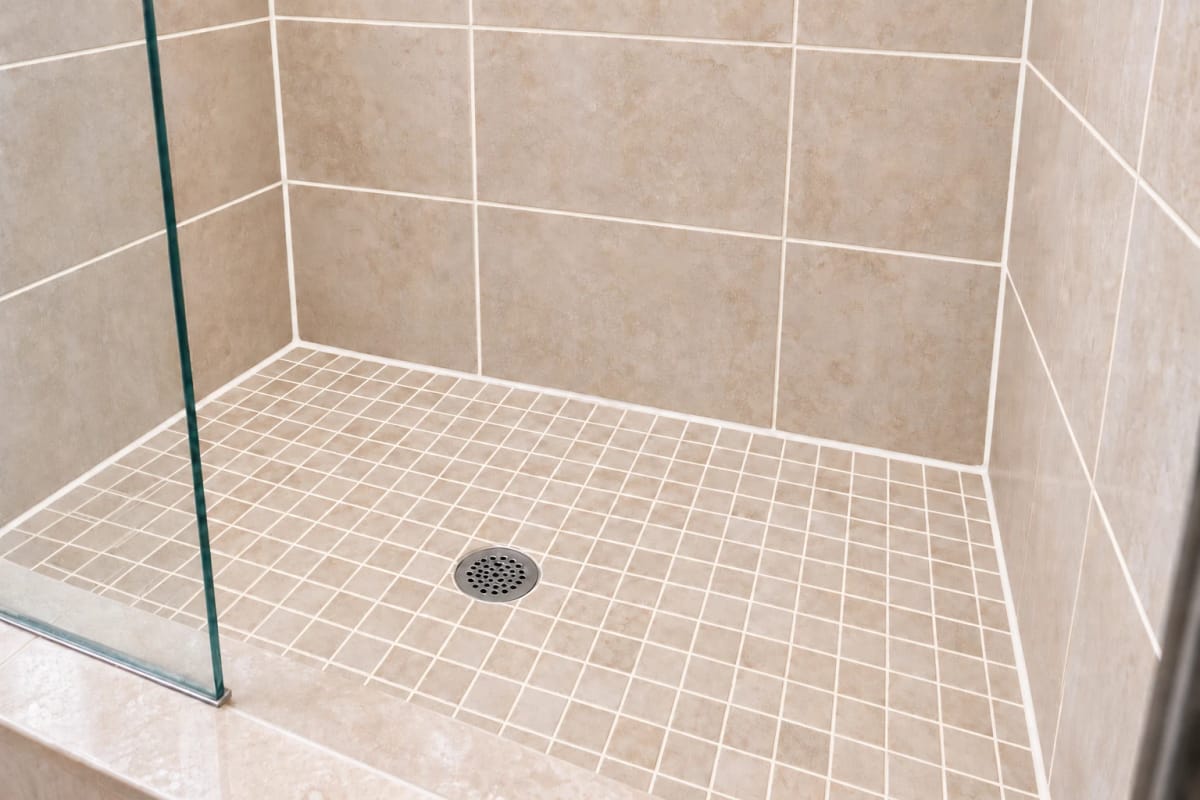
On a suitable shower, our steam-cleaning process uses high-temperature vapour, brushes and extraction on accessible tile and grout, including corners, niches, glass and door tracks where appropriate. Clear grout sealer follows the cleaning. A floor or whole bathroom needs its own surface assessment rather than an assumption that every material can be treated the same way.
When does steam cleaning work best?
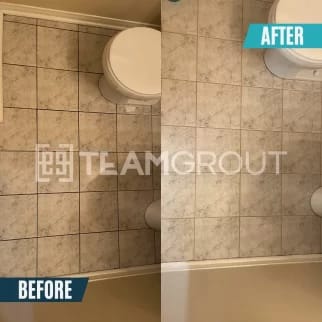
Steam is most useful when the grout is sound and buildup, rather than damage, is the main concern. That may mean shower grout affected by soap residue or floor grout that stays dark-looking after ordinary mopping. Controlled vapour and agitation can reach textured areas that a quick pass with a mop misses.
- Dirty but intact grout: Cleaning can lift accumulated soil without replacing grout that is still doing its job.
- Shower buildup: Steam, brushing and extraction can address accessible residue on suitable tile, grout and shower details.
- A preference for a lower-chemical approach: Steam may be an appropriate cleaning method, although choosing it does not remove the need for assessment, extraction or aftercare.
- Multiple accessible bathroom surfaces: Whole-bathroom steam cleaning can cover suitable tiled walls and floors, grout, a vanity backsplash and other appropriate areas, with the scope set before work begins.
Expect an improvement in removable buildup, not a promise that every grout line will return to its original colour. Existing stains, previous coatings and the grout’s condition affect the finish. The tile may be fine. The grout is stealing the spotlight, and the first job is to find out why.
What steam cleaning cannot fix
Cracks, holes and missing grout
Vapour does not put material back into a damaged joint. In fact, a crack or pit can keep looking dark after cleaning because the broken surface reflects light unevenly. When we find damaged grout, the useful conversation is about repair or restoration, not how many more times to pass a cleaner over it. Our guide to choosing grout cleaning or full restoration explains that distinction in more detail.
Discolouration that remains after buildup is removed
If a sound grout line remains uneven in colour after a thorough clean, more heat may not change it. Compatible grout colour sealing can provide a more consistent appearance and help resist staining. Clear sealing serves another purpose: it helps suitable absorbent grout resist staining while keeping the existing look. It does not hide discolouration. Neither finish is a substitute for repairing damaged grout, and clear sealing is not waterproofing.
Peeling or mould-affected caulking
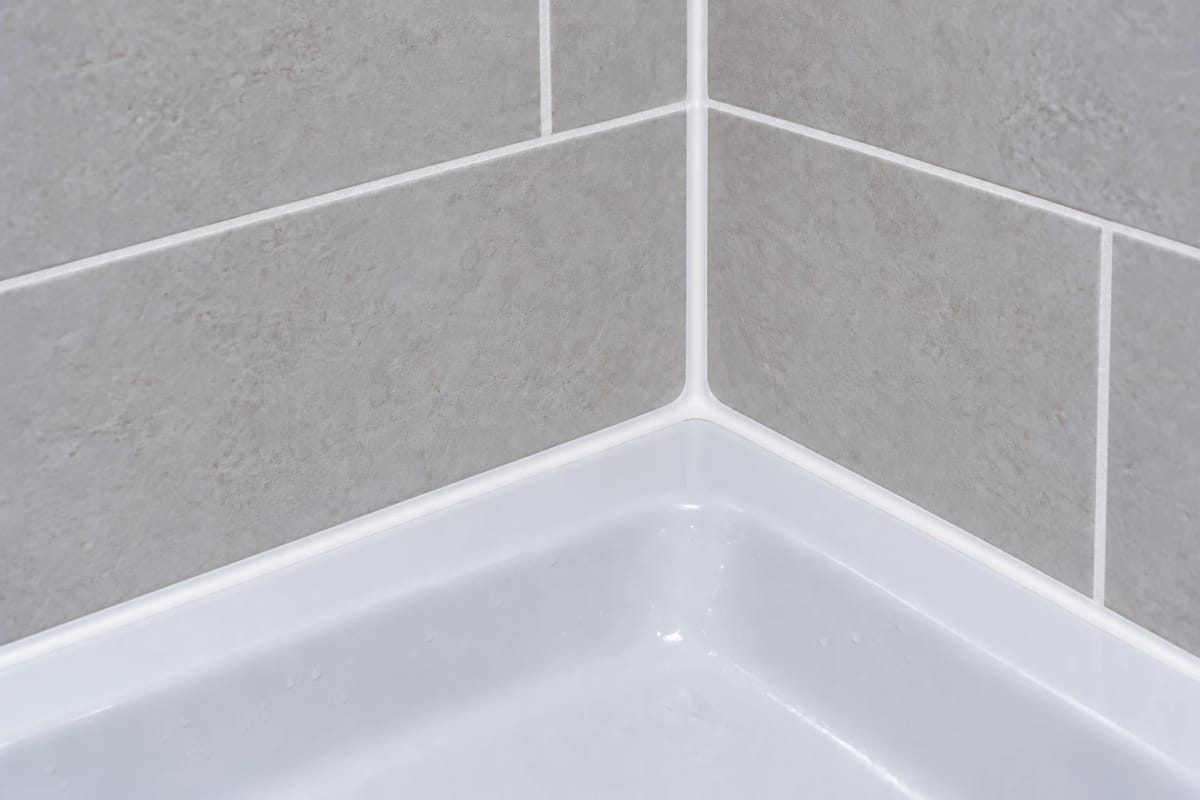
Caulk at a shower corner or tub edge is a different material from grout. Steam may clean accessible residue from its surface, but it cannot repair a bead that has separated from the joint or remove mould embedded inside old silicone. Failed caulk needs to be removed completely, followed by cleaning and drying of the exposed joint before new caulking is applied. A fresh bead is not a fresh start if the failed caulk stays underneath. See why complete old-caulk removal matters if that is the part of your shower causing concern.
A moisture problem behind the surface
A freshly cleaned shower can look better while a leak or other moisture source remains. Recurring visible mould, persistent odours or repeated cracking deserve further investigation. Surface cleaning and restoration address accessible materials; they do not repair hidden leaks or failed underlying waterproofing. Getting the tile, floor grout and wet-zone joints right matters because an attractive finish should not distract from deterioration that needs attention.
Is steam safe for every tile and grout surface?
No. The material, finish, existing treatment and condition all matter. Sound grout on suitable ceramic or porcelain tile is a different prospect from crumbling grout, loose tile or natural stone. A recently installed surface may also have curing requirements that rule out immediate steam cleaning.
Be especially careful when you see:
- Grout that is powdery, cracked, pitted or missing.
- Tiles that feel loose, or joints that have separated.
- Painted or previously coated grout whose finish may not tolerate the proposed cleaning method.
- Natural stone, including marble or travertine, where the right care depends on the stone and finish.
- Known leaks, persistent dampness or recurring mould.
Natural stone deserves a separate decision. Dirt can be cleaned, but scratches, etching and worn polish cannot be steamed away. Stone-safe cleaning or refinishing may be appropriate depending on what caused the dullness. If you cannot identify your tile or its finish, do not treat it as though it were ordinary ceramic just because it has grout lines.
How a proper steam-cleaning job unfolds
Our practical framework is to check, clean, remove, then protect where appropriate. Each part affects the next. There is little value in sealing soil into a grout line or cleaning around a failed joint without noticing it.
- Check the surface. Identify the tile material, grout condition, caulking condition, buildup and any previous treatment. This establishes whether steam cleaning is suitable and whether the requested result is realistic.
- Prepare the area. Remove loose debris and make the working surfaces accessible. The technique and tools should suit the material, not follow a single setting for every room.
- Loosen the buildup. Apply vapour to appropriate areas and use suitable brush agitation. Accessible corners and other details may need more deliberate attention than an open run of tile.
- Remove what was loosened. Wiping or extraction carries away the dirty moisture. Leaving it behind is not a finished clean.
- Finish the agreed scope. After suitable cleaning and drying, clear sealing may be applied to compatible grout. If assessment found broken grout or failed caulking, repairs or replacement need their own preparation and scope.
- Explain aftercare. Before you use the shower or walk on a treated floor, follow the instructions for the actual sealer, caulk and surface involved.
Steam is one method, not the only professional cleaning method. For intact but dirty tile-floor grout, machine-powered bristle brushes and suitable cleaning products may be the better choice. The difference is not which process sounds more impressive. It is which one suits the surface and removes the problem without overlooking repairs.
Steam cleaning versus other grout treatments
You do not need to choose a service name before someone has looked at the grout. These are the distinctions worth knowing:
| What you see | Likely direction to assess | What that work addresses |
|---|---|---|
| Sound grout with removable buildup | Suitable steam cleaning or professional deep cleaning | Dirt and residue on accessible surfaces |
| Cracked, pitted or missing grout | Grout repair or restoration | Damaged sections that cleaning cannot rebuild |
| Sound grout with uneven colour | Grout colour sealing, if compatible | Colour consistency and stain resistance |
| Sound grout whose existing colour you like | Clear sealing, if the material calls for it | Stain resistance without intentionally changing the appearance |
| Peeling, separated or deteriorated shower caulk | Complete caulking replacement | A failed surface joint, after proper removal and preparation |
| Dull or etched natural stone | Stone-specific assessment | Cleaning or refinishing suited to the material and damage |
These options can be combined when the condition calls for it. They should not be bundled automatically. A shower with sound grout and dirty tile may need cleaning; one with missing grout and failed caulk may need restoration. Two quotes can carry the same service name and describe very different work underneath. Compare the preparation, repairs, finish and curing instructions, not just the heading or price. For a closer look at what changes a quote, read how grout-cleaning costs are assessed in Toronto.
Can you steam clean grout yourself?
For a small area of sound grout on a surface that permits steam cleaning, DIY work may be reasonable. Start by checking the tile and steam cleaner manufacturers’ instructions. If the tile type is uncertain, the grout is deteriorating or the shower has a moisture concern, pause rather than experimenting on a larger area.
- Clear the area and sweep or vacuum away loose grit.
- Look closely for missing grout, loose tiles and separating caulk before introducing heat or moisture.
- Test a discreet spot using a suitable brush attachment and follow the machine’s instructions.
- Work on manageable sections so you can wipe away loosened dirt before it dries on the surface.
- Use clean cloths and allow the area to dry. Check the result in good light before deciding whether another pass makes sense.
Hot vapour can burn. Keep people and pets out of the work area, avoid directing the nozzle toward skin, and do not improvise by adding cleaning chemicals to a machine. Never mix cleaning chemicals. A stronger-looking stain does not justify harsher treatment if the issue is actually damaged grout or a failing coating.
If cleaning changes little, that is useful information. Stop and reassess rather than repeatedly soaking a questionable joint. The comparison in professional grout cleaning versus DIY methods can help you decide when the extra work is worthwhile.
What about mould in shower grout?
Steam cleaning may remove buildup and address accessible surface contamination, but it should not be treated as proof that all mould is gone. Dark marks can also sit inside old silicone, which generally calls for replacement rather than another surface clean. Recurring mould may be connected to excess moisture or another condition that cleaning alone will not resolve.
When a shower needs restoration, we may clean and treat affected accessible surfaces, repair grout, colour-seal compatible grout and replace failed caulking as appropriate. Preparation, rinsing and drying matter before any finish is applied. Mould-resistant caulking can be part of the completed work, but it does not mean mould can never return. If the same spots keep appearing, use that pattern as a reason to investigate rather than simply repeat the cleaning. Our article on why shower mould returns explores the warning signs.
What results are realistic?
The goal might be a brighter shower, less visible buildup on a floor or grout that is easier to maintain. Cleaning can deliver a noticeable refresh when soil is the main problem. Repair and colour sealing can address different reasons a line still looks tired. Clear sealing can offer appropriate stain resistance on suitable material without changing a grout colour you already like. None of these results requires replacing sound tile simply because the grout looks worn.
Real projects show why the scope needs to match the condition. In a Google review, Nick G described a shower restoration in which the tiles shone, grout was filled and the shower was re-caulked. That was more than a steam clean, and calling it cleaning alone would miss the work responsible for the result. Another reviewer, Cynthia C, specifically praised the care taken with a bathroom deep clean and recaulking. Their experiences illustrate an important point: a refreshed appearance can come from cleaning, but a lasting improvement sometimes depends on getting the damaged grout and caulking right too.
There are honest limits. Old staining may remain after soil is removed. A sealer does not make grout immune to every stain. A surface treatment does not fix a leak behind the tile. Knowing those limits before work begins gives you a better basis for deciding whether the proposed result is worth the cost.
How long will assessment, cleaning and return to use take?
Assessment and scheduling: Start with a request for a free video quote or an on-site assessment. Which format fits depends on the surfaces, your location and appointment availability. An enquiry is a request for review and follow-up, not a confirmed appointment or an instant exact price. We contact you to arrange the assessment and confirm its details. Photos can help us understand what to look at, but they do not always replace a video or in-person review.
Work duration: Most residential shower steam-cleaning jobs are described as taking about half a day. Whole-bathroom steam cleaning is also typically described as about half a day per bathroom, with the actual scope depending on the surfaces and buildup. If the grout needs restoration rather than cleaning, a residential shower restoration is generally described as a one-day job. Caulking replacement on its own is described as taking a few hours. Scheduling and the work plan are confirmed after the condition and scope are clear.
Drying, curing and reuse: Time on site is not the same as time until use. A shower with clear sealer must wait until the applied treatment has cured before getting wet. If caulking is replaced, the shower is typically reusable the next day, subject to the sealant’s instructions. For some tile-and-grout cleaning applications, a standard clear sealer calls for about four hours without foot traffic; other clear-sealing preparations and treatments require longer drying periods. Follow the technician’s instructions for your specific job, especially when cleaning, sealing and caulking are combined.
What will it cost, and what do you need to do?
There is no useful exact price based only on the word “steam.” A quote needs to account for the shower or floor size, tile type, amount of buildup and whether grout repair, sealing or caulking replacement is part of the proposed work. A free assessment establishes what the property needs. The written quote then sets out the work being proposed and its cost, so you can compare the scope before committing. If you submit a written-quote request, it starts a review and follow-up; limited details alone do not produce a reliable instant price.
To prepare for an assessment, have the following information ready once, rather than trying to diagnose the job yourself:
- The area involved, such as a shower, bathroom floor or tiled entrance, and your location.
- What you have noticed: persistent dirt, missing grout, a loose tile, failed caulk or a recurring smell.
- Any known previous sealer, coating, repair or leak that could affect the approach.
- Approximate floor area if the concern is a floor.
- Clear supporting photos if convenient, including an overall view and a close-up of the grout or caulk. Photos help prepare for review; a video or on-site look may still be needed.
Before the work appointment, remove toiletries, bath mats and loose items from the working area, and make sure it is accessible. We handle the agreed cleaning and any separately scoped restoration or finishing. Afterward, use the area only when the specified treatment allows it and follow the material-appropriate care instructions you receive. Regular cleaning and attention to new cracks or separating caulk help you protect the result. For anyone comparing the cleaning stage with the finish, our explanation of cleaning and grout sealing goes into that relationship.
Best practices for keeping clean grout looking good
- Remove residue before it accumulates. Routine cleaning is easier when soap scum and floor soil are not left to build up in textured joints.
- Match the cleaner to the material. Tile, grout and natural stone are not interchangeable. In particular, avoid acidic cleaners such as vinegar on marble and other acid-sensitive stone.
- Keep an eye on wet-zone joints. If caulk pulls away or grout starts to crack, do not assume a deeper clean will put it back. Addressing the joint is part of caring for the tiled surface.
- Know what your finish does. Clear sealing can help suitable absorbent grout resist staining; colour sealing can improve colour consistency on compatible grout. Neither repairs a hidden moisture issue.
- Follow curing instructions. Hold off on water, foot traffic or routine cleaning for the period specified for the treatment actually used.
Frequently asked questions
Does steam clean grout better than a scrub brush?
Steam can help loosen buildup, but brushing and removing the dirty moisture are still part of an effective steam clean. For some floors, machine-driven bristle brushing with suitable products may be the better approach. Grout condition and tile material decide more than a tool’s name does.
Will steam cleaning turn dark grout white again?
It can lighten grout that looks dark because of removable dirt. It cannot guarantee the original colour if staining remains, the grout has changed colour or damaged areas are creating dark-looking gaps. An assessment can distinguish cleaning from repair or colour sealing.
Can steam cleaning damage grout?
Heat and moisture are not appropriate for every surface. Crumbling or missing grout, loose tiles and incompatible finishes should be assessed before steam is used. Even when the surface is suitable, the equipment and method must match it.
Does steam cleaning remove mould from shower silicone?
It may clean accessible residue from the surface, but mould embedded in old silicone generally calls for caulking replacement. A new bead should be applied to a properly cleaned and dried joint after the failed material has been removed.
Should grout be sealed after steam cleaning?
That depends on the grout, existing finish and intended result. Clear sealing may help protect suitable grout without changing its appearance. It needs appropriate preparation and drying first. Not every tile or stone surface needs the same treatment.
How soon can I use the shower afterward?
Follow the instructions for your specific sealer and any new caulking. Cleaning may finish in half a day, but a treated shower is not necessarily ready for water immediately. If caulking has been replaced, next-day use is typical, subject to the sealant’s cure.
Can photos tell you whether I need steam cleaning?
Photos of the full area and close-ups of grout and caulk help identify questions for the assessment. They may not show whether a tile is loose, what a finish is made of or what is happening behind a joint. A video or on-site review may still be needed before the scope and price are settled.
The bottom line
Steam cleaning works on suitable, sound grout when buildup is the problem and the loosened dirt is properly removed. It is not a repair for broken grout, a replacement for failed caulking or a solution to hidden moisture. The best outcome is not simply a clean-looking line today; it is a clear understanding of what the surface needs so the tile, floor and joints are cared for appropriately afterward.
If your grout still looks dirty after regular cleaning, request a free video quote or on-site assessment with Team Grout, depending on suitability, location and availability. Tell us what area concerns you and share photos if helpful. We will follow up to confirm the assessment, review whether cleaning or restoration fits, and provide a written scope and price before you decide on the work. Call 289-277-0228 or email info@teamgrout.ca to take that next step.