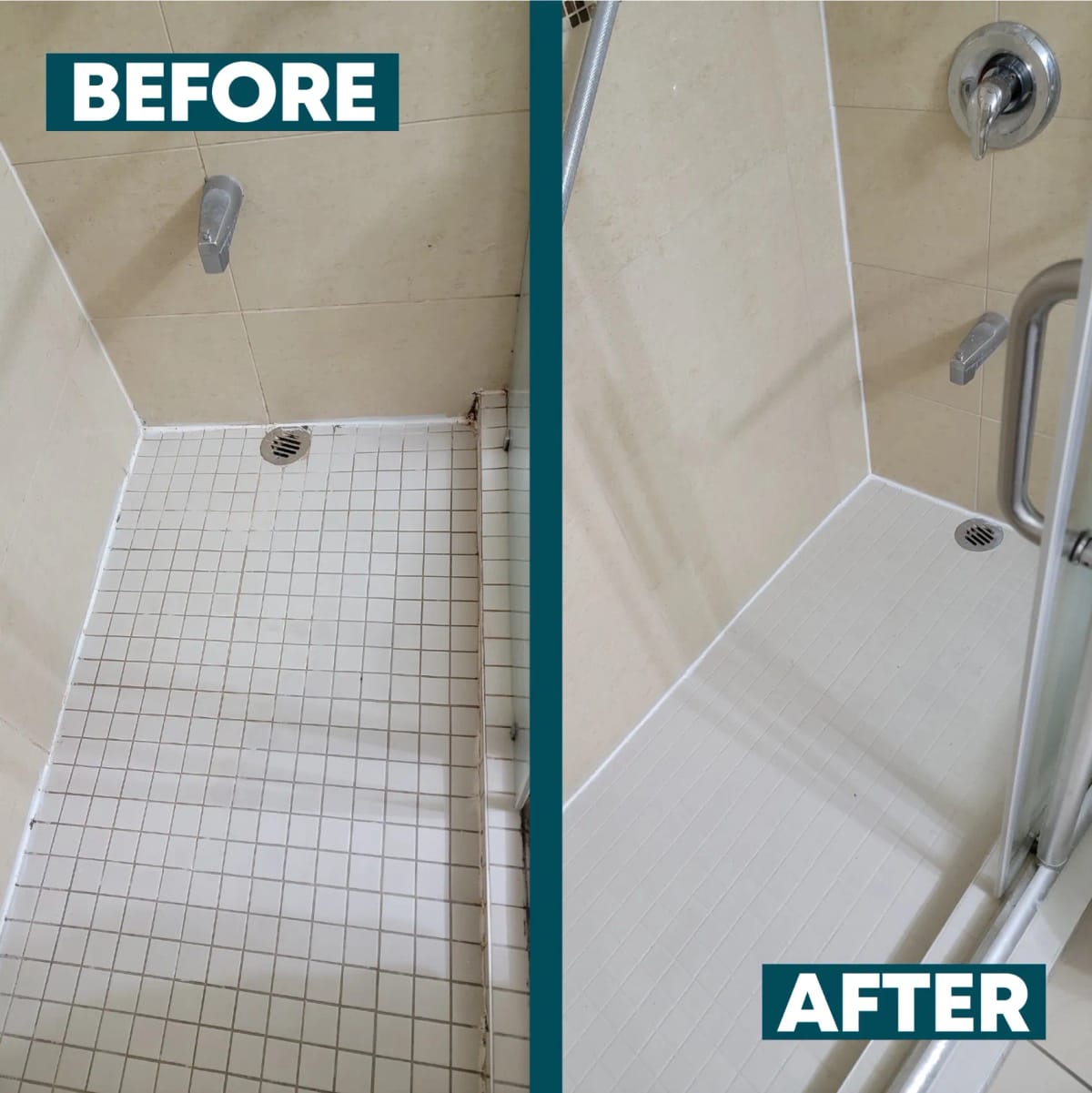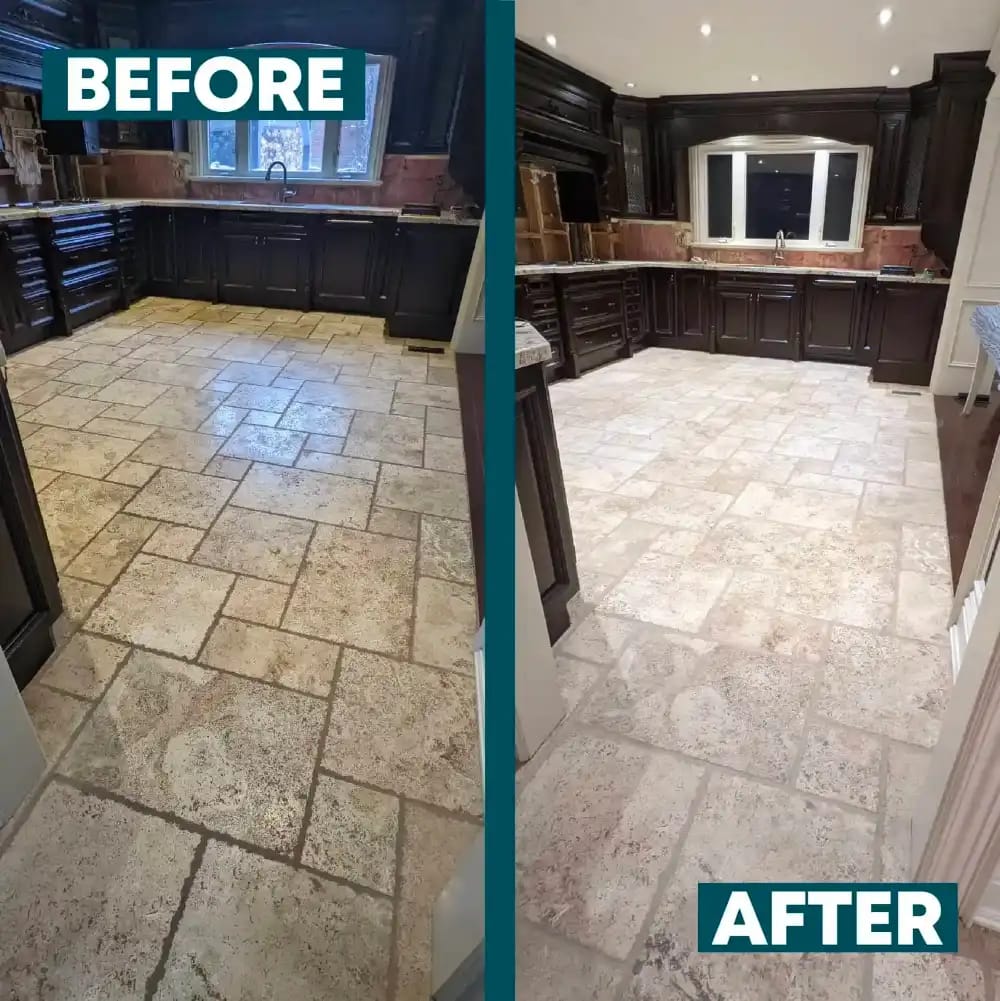
For grout that is dirty but intact, look for a professional tile and grout cleaning service that explicitly includes clear grout sealing. Team Grout offers this combination for suitable surfaces in Toronto and the GTA: technicians clean the tile and grout with material-appropriate methods, then apply a clear sealer where appropriate. The aim is a refreshed appearance and better stain resistance without changing the grout colour.
Check the scope before booking. A service described only as “grout cleaning” may not include sealing, and a sealer cannot repair cracked grout or failed caulking. If either is present, the useful next step is an assessment, not a decision based on the service name alone. The tile may be fine. The grout is stealing the spotlight, but it is worth finding out whether dirt, damage or both are responsible.
Team Grout is a practical choice when you want that distinction made before you spend. Cleaning intact grout, repairing damaged lines, replacing failed caulk and selecting suitable protection are different jobs. A clear recommendation should tell you which of them your property needs, what the proposed work includes and when you can use the area again.
What does cleaning and sealing grout mean?
Grout cleaning and sealing means removing accessible soil and buildup from suitable tile and grout, allowing the surface to dry as required, and applying a compatible sealer to appropriate grout lines. Cleaning addresses the material already on the surface. Sealing helps suitable porous grout resist future staining. Neither step makes the grout maintenance-free.
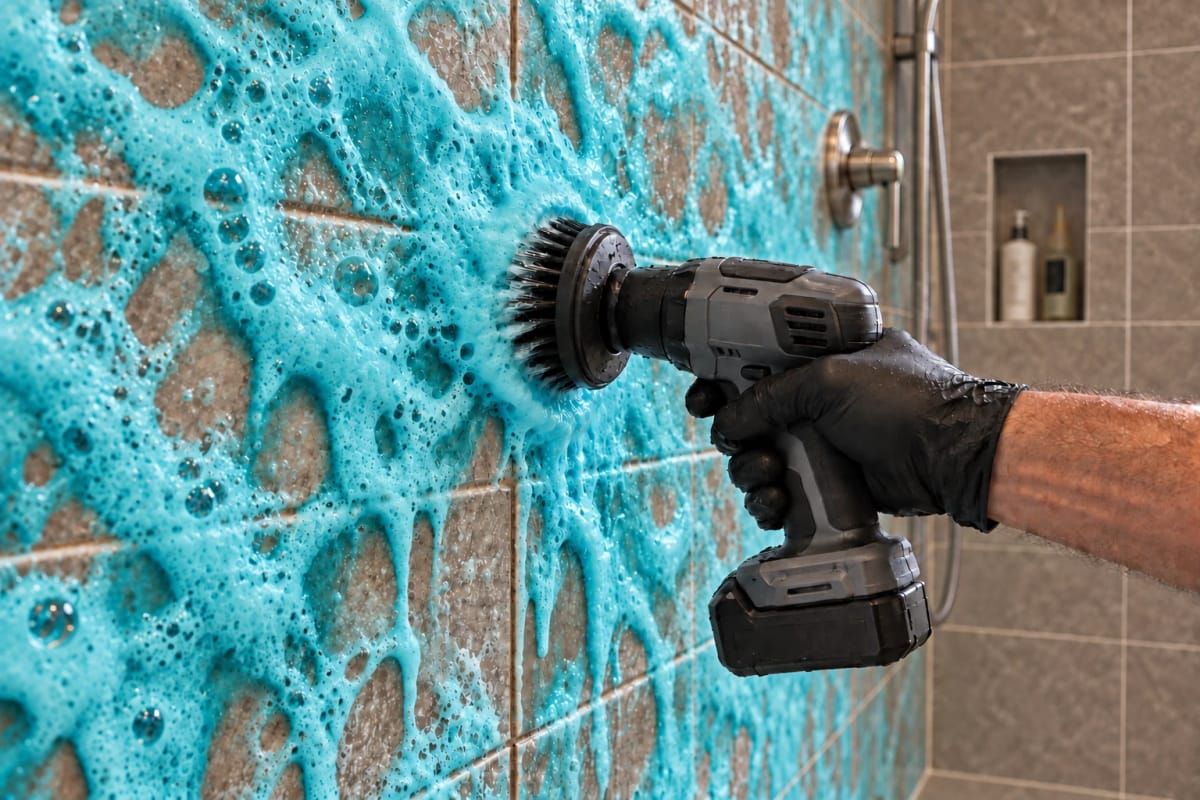
Team Grout’s tile and grout cleaning service is intended for intact but dirty grout. Its described process uses machine-powered bristle brushes and suitable cleaning products, followed by clear sealer. The brush, cleaning product and protective finish must suit the material being treated. A kitchen floor with grease buildup, for instance, calls for a different assessment from a shower with soap scum and mineral deposits.
Clear penetrating sealing generally preserves the appearance you already like. It does not cover a stubborn colour difference, fill a hole or replace missing grout. Nor is clear sealing the same as waterproofing an entire shower assembly. Those limits matter because a clean, protected grout line is a different result from a repaired joint or a corrected moisture problem.
How to tell whether cleaning with sealing is enough
You do not need to diagnose the grout yourself. You can, however, describe what you see. That gives a technician a useful starting point and helps prevent a quote for the wrong service.
Signs that point toward cleaning and clear sealing
- The grout looks dark or tired, but the lines are still present and generally solid.
- The main concern is accumulated dirt, grease, soap residue or similar surface buildup.
- You like the grout’s existing colour and want to keep it.
- There are no obvious gaps or peeling caulk at nearby joints.
- The tile or grout is compatible with the proposed cleaning products and sealer.
If that describes your floor or shower, professional deep cleaning followed by clear sealing may achieve the refreshed look and appropriate protection you want. The assessment confirms whether the grout is actually sound and whether sealing suits that surface.
Signs that call for a different scope
- Cracks, pits or missing grout: Cleaning will not replace material that is no longer there. Grout repair or restoration may be needed before a finish is applied.
- Uneven colour that remains after cleaning: Compatible grout colour sealing may be worth assessing if a more consistent colour is the goal.
- Peeling, cracked or separated caulking: The failed material may need to be removed and the joint prepared before new caulk is installed. Sealing the nearby grout does not fix that joint.
- Recurring mould, persistent odours or repeatedly cracking joints: These warrant closer investigation. Surface work cannot establish what is happening behind tile or repair an unseen leak.
- Dull or etched natural stone: Cleaning and sealing cannot polish away scratches or acid etching. Stone may need a separate restoration assessment.
Damage can also imitate dirt. Cracked or missing sections interrupt the appearance of a grout line, so another round of scrubbing may not make it look even. Getting the grout, tile or floor work right means identifying that difference before a protective coat goes on. A fresh bead isn’t a fresh start if the failed caulk stays underneath.
What happens during a professional assessment and service?
We use a straightforward decision sequence: identify the material, check the condition, clean or repair what needs attention, then select compatible protection. It keeps the visible finish connected to the preparation underneath it.
- Review the surface and your goal. Explain whether you want cleaner-looking grout, a more consistent colour, easier maintenance or advice about a recent installation. The technician needs to know whether the area is a shower, floor or another tiled surface and to check the grout, tile and nearby caulking.
- Agree on the scope. Sound but dirty grout may need deep cleaning and clear sealing. Cracked lines may need repair. Failed caulking may need replacement. A written quote should distinguish those items rather than bundling them into an unexplained “grout treatment”.
- Prepare and clean. For suitable intact grout, Team Grout uses powered bristle brushing with products selected for the surface. The point is to remove relevant buildup before applying a finish, not to seal over it. Surrounding areas are protected as appropriate to the work.
- Allow the required drying time. Clean grout must be ready for the selected sealer. Preparation requirements depend on the product and conditions, so drying should be part of the plan rather than an afterthought.
- Apply the agreed finish. If clear sealing is suitable, it helps protect compatible grout while retaining its existing look. If repairs or colour sealing are specified instead, the technician follows the agreed restoration scope.
- Follow the return-to-use instructions. Ask when the floor can take foot traffic or the shower can get wet, which cleaner to use afterward and whether the selected sealer may need reapplication.
This sequence also explains why a professional service can be more useful than another cleaning product. The work starts by separating soil from deterioration. If a line is missing grout or a shower joint has failed, no amount of cleaning chemistry turns it into a sound joint.
Clear sealing, colour sealing and grout repair are not interchangeable
Like the colour? Assess clear protection. Want a different or more consistent grout colour? Assess colour sealing. See damage? Assess repair first. These are starting points, not rules that override the condition of your surface.
| Option | When to consider it | What to confirm |
|---|---|---|
| Deep cleaning with clear sealing | Grout is intact but dirty, and you want to keep its appearance. | Which areas are cleaned and sealed, whether the material is compatible, and the drying and curing instructions. |
| Grout colour sealing | Compatible grout is sound enough for treatment, but its colour is uneven or no longer wanted. | Preparation, the selected finish and whether any damaged lines need repair first. |
| Grout repair or regrouting | Lines have cracks, holes, missing pieces or other deterioration. | Which joints are repaired, what remains in place and whether sealing is part of the proposed finish. |
| Caulking replacement | Caulk at corners, edges or other applicable joints is peeling, separated or deteriorated. | Whether old caulk is removed completely, how the exposed joint is cleaned and dried, and when it can get wet. |
Team Grout offers cleaning, clear sealing, grout recolouring, restoration and caulking replacement, so the recommendation can reflect the condition rather than force every concern into a cleaning-only appointment. For more detail on selecting a finish, read our blog post on choosing the right grout sealer for Toronto homes.
How long will the work take, and when can you use the area?
There are several clocks to consider: arranging the assessment, scheduling the work, doing the cleaning or restoration, drying before application, and curing afterward. A quote should account for all of them. We cannot give one reliable completion time for every tiled floor or shower without seeing the size, buildup, material and proposed scope.
For a residential shower deep clean, Team Grout describes the work as usually taking half a day. Broader shower restoration, which may include grout repairs or caulking replacement, is generally described as a one-day job, followed by product-specific curing. Floor duration depends on the area and condition, so it should be confirmed in the quote rather than borrowed from the shower estimate.
Clear-sealer timing needs particular care. Team Grout’s tile and grout cleaning information describes a four-hour cure for its stated cleaning-and-sealing process and advises avoiding foot traffic during that period. Separate clear-sealing guidance calls for at least 12 hours of drying before application, potentially about four hours with air movers, and recommends another 12 hours after application, or at least six hours without foot traffic. These are service-specific instructions, not a single universal schedule. Ask which process and product your quote covers, and follow the technician’s exact guidance for floor traffic or shower use.
Scheduling is separate from working time. A free video quote or on-site assessment can be arranged depending on the surface, location and availability. Submitting an enquiry starts a review; it is not itself a confirmed appointment. The team should follow up to arrange and confirm the suitable assessment time, then provide the proposed scope and price. If your project requires a particular day, mention that when you enquire rather than assuming an appointment is reserved.
What will it cost?
There is no honest flat price for every grout cleaning and sealing job. The quote depends on the area, the type of tile or stone, how much buildup needs attention, grout condition and whether you need clear sealing, colour sealing, repairs or caulking replacement. Access and the number of spaces also affect the work being proposed.
Two quotes. Same service name. Very different work underneath. When comparing them, ask:
- Which floors, walls, grout lines and joints are included?
- Is sealing included, and is it clear sealing or grout colour sealing?
- Are cracks or missing grout being repaired, or identified as separate work?
- Will failed caulk be removed and replaced if needed?
- What cleaning, rinsing and drying happen before the finish?
- What result is realistic, and what visible staining or damage may remain?
- When can you walk on the floor or use the shower, and what aftercare applies?
The assessment answers, “What does my property need?” The quote answers, “What work are you proposing, and what will it cost?” If you submit a written-quote request, treat it as a request for review and follow-up, not a promise of an instant exact price based on a short description or a few photographs.
What do you need to do before and after the appointment?
For an initial review, have your address or service area, the type of space, an approximate floor area if relevant, and a brief description of the concern ready. Mention loose tile, recurring cracks, persistent odours or water-related concerns rather than leaving them out because they seem unrelated to the grout. If you know the tile or stone material, include it. If you do not, say so. You do not need to learn the technical terms to ask for a sound recommendation.
Photos can help show the layout and problem areas. A wider view plus a close-up of the grout or caulk is more useful than several nearly identical close-ups. They are supporting information, though, and may not replace a video or on-site review when the material, joint condition or moisture concern cannot be judged from an image.
Before the scheduled work, clear movable items such as toiletries, bath mats or small floor items from the treatment area and make it accessible. Tell the team about any known surface coating or previous repair. Team Grout handles the agreed cleaning and treatment; you should expect the quote to clarify any additional repairs, the planned finish and your return-to-use instructions.
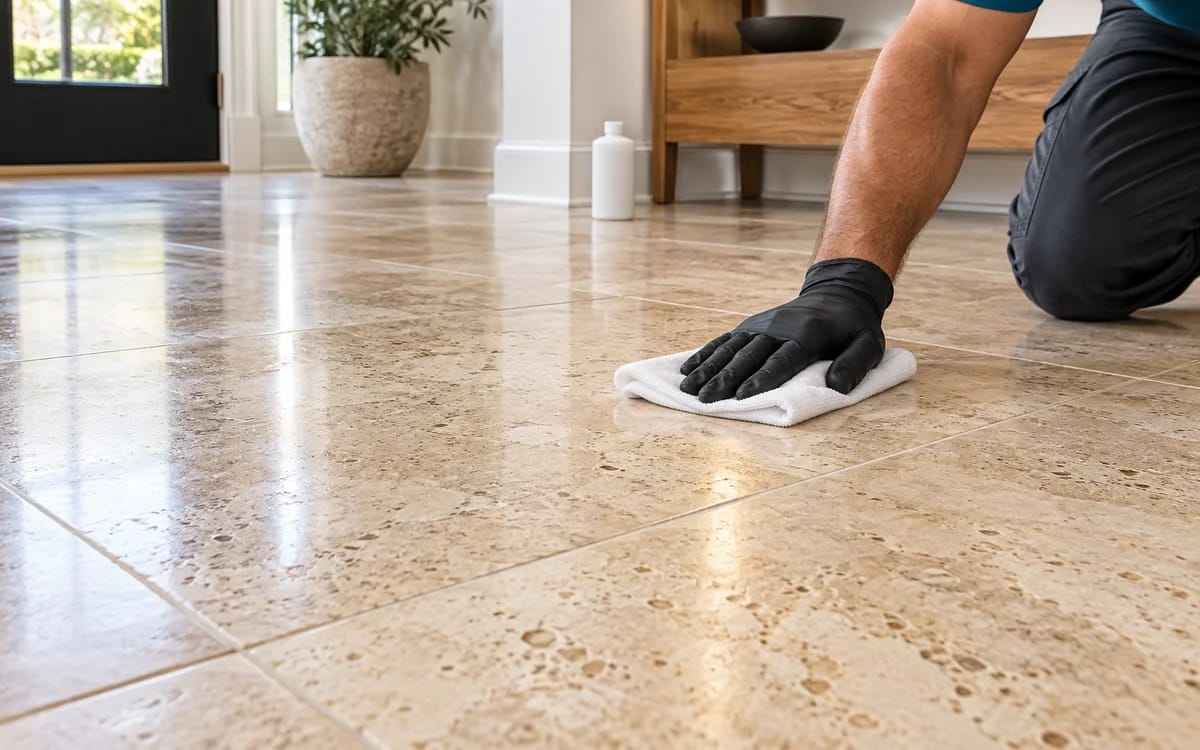
Afterward, follow the product-specific cure time before wetting or walking on the surface. Maintain it with a cleaner suitable for the material rather than assuming a strong chemical will always work better. Acid-sensitive natural stone, in particular, needs compatible care. Clear sealer may require periodic reapplication depending on exposure to dirt, grease, soap residue and cleaning products. It helps with stain resistance; it does not make stains impossible.
What have customers experienced?
Real feedback is useful when it describes the actual work, not just the finished appearance. In a Google review, Francis Hsue described a main shower that was cleaned, sealed and re-caulking
by technician Gabriel, and praised the result. That is an example of a combined service, not evidence that every shower needs all three treatments.
Another Google reviewer, Makarem Al Tawash, described deep cleaning, sealing and grout replacement in the family’s bathrooms and said they had hired technician Eunice twice. These reports show that cleaning and sealing can be part of a wider scope when conditions call for it. They do not replace an assessment of your own grout, caulk and tile, and they are not a promise that every discoloured line can be restored to the same appearance.
Best practices for a lasting result
- Identify the material first. Ceramic, porcelain and natural stone should not automatically receive the same cleaner or protective treatment. Not every surface needs sealing.
- Do not seal over a repair question. Ask about cracks, holes and loose grout before approving the finish. A neat-looking surface treatment cannot replace a missing joint.
- Check nearby caulking. A floor edge or shower corner with deteriorated caulk deserves attention in its own right. Correct preparation matters to the new bead’s performance.
- Separate surface protection from leak repair. Clear grout sealer can help suitable porous material resist staining. It cannot fix failed waterproofing behind a shower or prove hidden mould is gone.
- Ask for the curing plan in plain language. “When can I walk here?” and “When can I shower?” are better questions than guessing based on how dry a surface looks.
- Keep your care routine compatible with the finish. Ask which cleaners and methods suit the treated grout, tile or stone, and flag recurring problems instead of repeatedly covering them.
Our working principle is simple: clean what needs cleaning, restore what needs restoring, and protect what is worth keeping. Doing the tile, floor and caulking work in the right order helps avoid covering a problem that will simply show up again.
Frequently asked questions
Does grout cleaning automatically include sealing?
No. Ask whether sealing is included in the written scope. Team Grout’s described tile and grout cleaning service for intact but dirty grout includes a clear sealer, but the appropriate treatment still depends on the surface and condition.
Will clear sealer make stained grout look new?
Cleaning may improve the appearance of dirtied grout. Clear sealer preserves the existing look rather than recolouring it, so persistent discolouration may remain. Ask whether cleaning, colour sealing or grout restoration best matches the result you want.
Can you seal cracked or missing grout instead of repairing it?
Sealer does not fill a crack or replace missing grout. Have the damaged lines assessed for repair before choosing a final protective treatment.
Is grout sealing the same as waterproofing a shower?
No. Clear penetrating sealing provides stain resistance for compatible material. It does not make an entire shower assembly waterproof or correct a leak behind tile. Persistent moisture concerns need further investigation.
Should old shower caulking be covered with new caulk?
Failed caulking should be assessed for removal and proper joint preparation. Team Grout’s shower caulking replacement process removes old silicone completely, cleans and dries the joint, then applies new caulk. Covering deteriorated material can leave the original problem underneath.
How soon can I walk on a sealed floor or use a cleaned shower?
Follow the instructions for the treatment used at your property. Team Grout describes a four-hour foot-traffic restriction for one tile and grout cleaning process, while its separate clear-sealing guidance recommends different drying periods. Shower wet-use timing should be confirmed with the technician before you put the space back into service.
Can I request a price using photos alone?
Photos help the team prepare for review and may clarify the size and visible condition. They cannot always establish the material, the state of a joint or whether further investigation is needed. A free video quote or on-site assessment may be appropriate, depending on suitability, location and availability; the follow-up quote should set out the proposed work and price.
Find out what your grout actually needs
If your grout looks dirty but sound, ask about professional cleaning with clear sealing. If it is cracked, uneven or next to failed caulking, ask for an assessment of those issues too. Either way, the goal is a defined result and a clear quote before you commit, not a guess about which service name sounds right.
Request a free video quote or an on-site assessment with Team Grout by calling +1 289-277-0228 or emailing info@teamgrout.ca. Share the area you want reviewed, its approximate size, the concern you see and any helpful photos. The team can follow up to confirm a suitable appointment, assess the work, and explain the proposed scope, cost, expected duration and aftercare. Before you buy new tile, get an answer about the tile you already own.