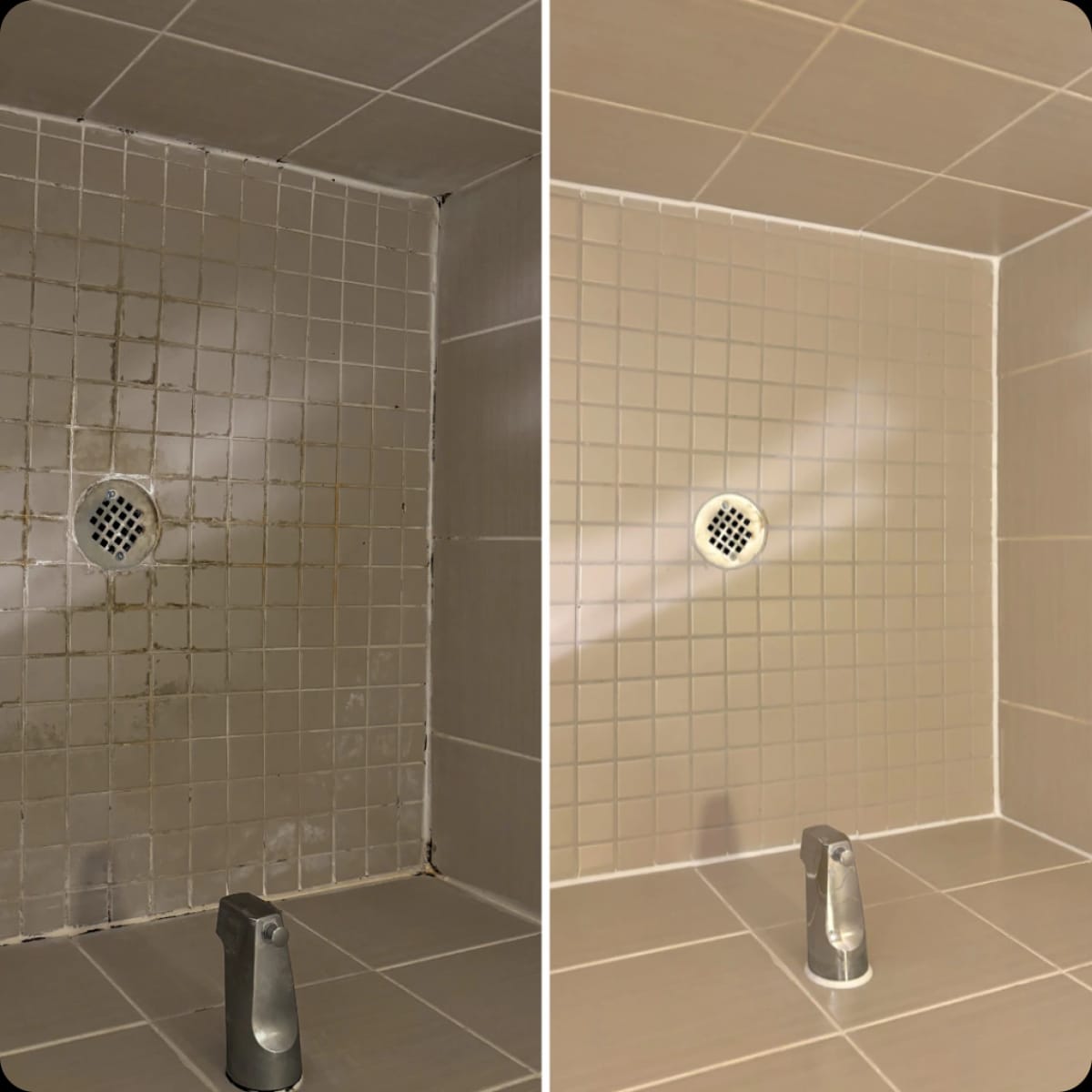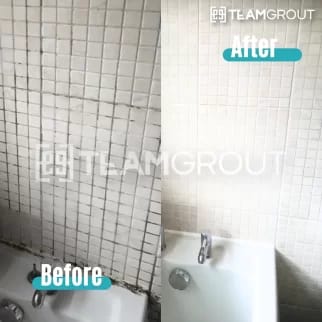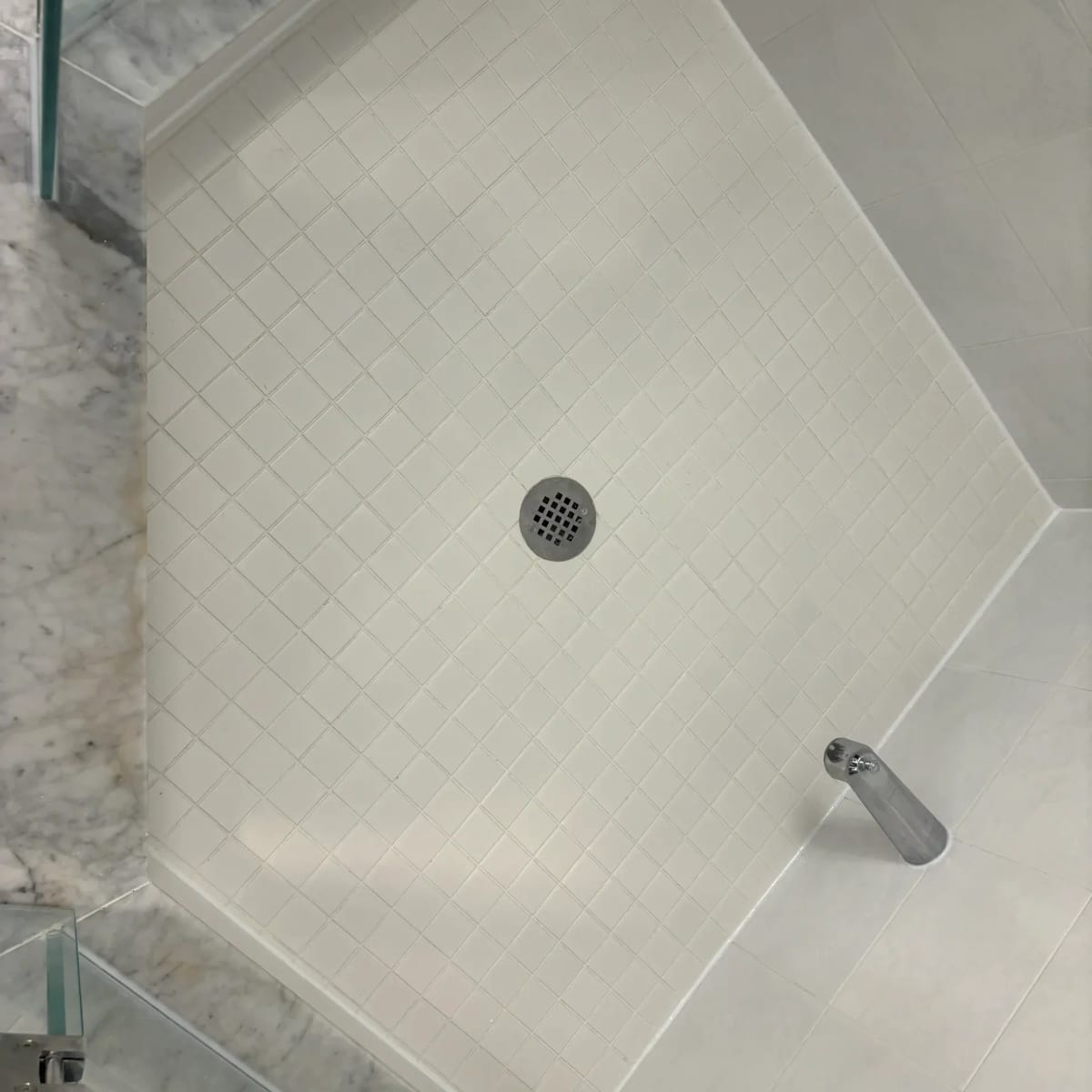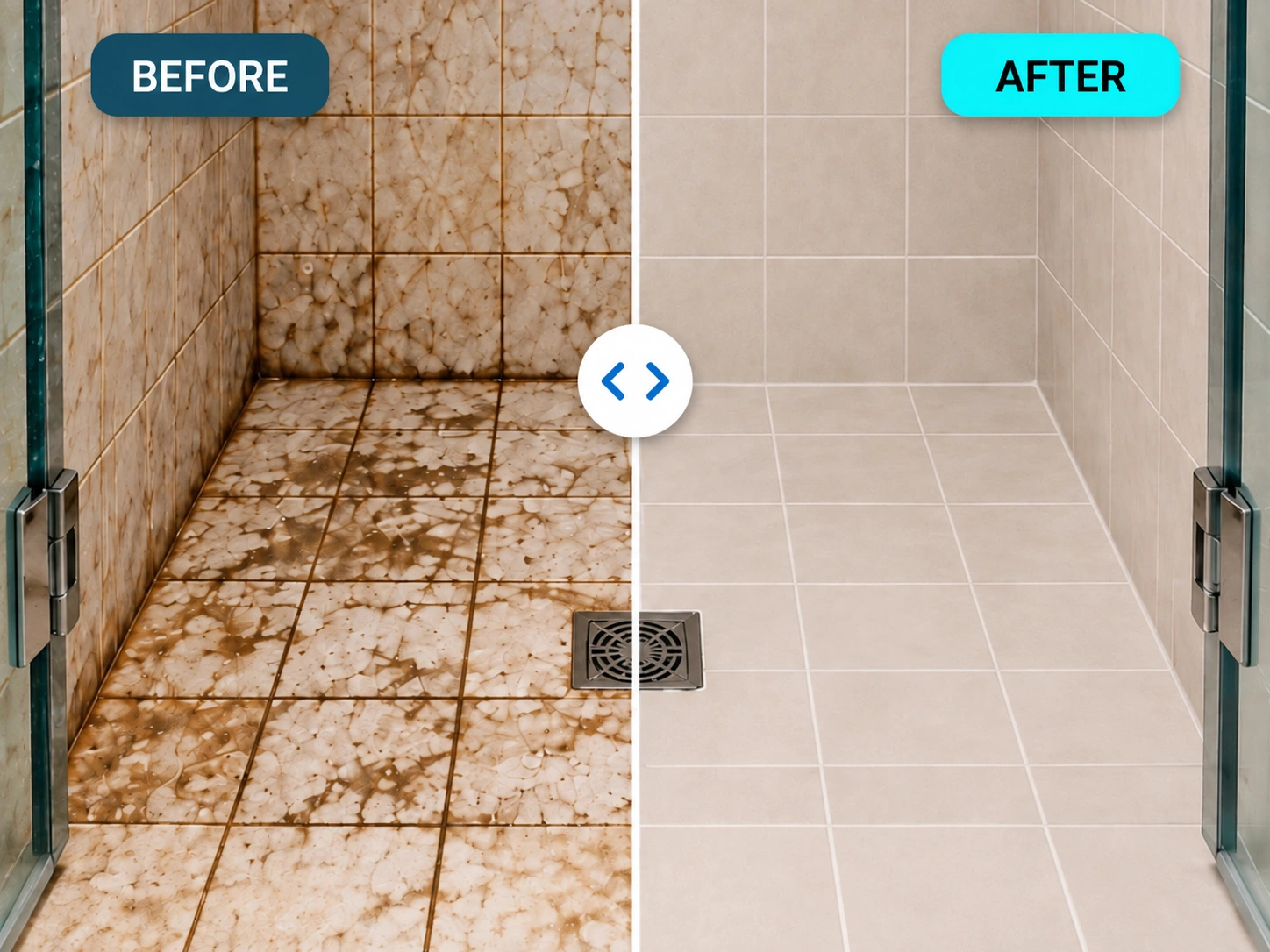
The right bathroom mould removal service matches the work to the problem. If growth is limited to accessible tile, grout or caulking, look for someone who assesses those materials, removes affected surface buildup, repairs failed joints where needed and explains how to manage moisture afterward. If there is a persistent odour, wet drywall, a leak or suspected growth behind the tile, ask for an assessment of the underlying moisture problem before paying for a surface treatment.
For Toronto and GTA homeowners with a shower or tiled bathroom concern, Team Grout is a practical first choice for assessing accessible surfaces. We distinguish between deep cleaning, grout repair, caulking replacement and combined shower restoration, so the proposed work addresses more than the dark patch you can see. The result you are looking for may be a refreshed bathroom, easier maintenance or simply a clear answer before you spend money on new tile.
Start by asking any prospective service three questions: What is causing the visible problem? What exactly will you remove, repair or protect? What would make this job larger than surface work? A good answer makes it easier to compare quotes and harder to buy a cosmetic fix for a moisture problem.
Keep the distinction clear: treating accessible mould-affected surfaces is not the same as removing concealed mould from a wall or repairing failed shower waterproofing. The service you hire should fit the location and extent of the problem.
What Counts as Bathroom Mould Removal?
Bathroom mould removal is an umbrella term, not a single procedure. On sound shower tile and grout, it may mean treating affected accessible surfaces and deep cleaning the surrounding buildup. Dark spots embedded in deteriorated silicone can call for complete caulking removal and replacement. Cracked or missing grout may need repair before a suitable finish is considered. Moisture-damaged wall materials can require a different investigation and scope altogether.
This matters because soap scum, mineral deposits, staining and mould-like discolouration can appear close together. The tile may be fine. The grout is stealing the spotlight. Or the caulking may have separated at the tub edge and made an otherwise sound shower difficult to keep clean. You do not need to diagnose every mark yourself, but the person quoting the work should explain the distinction.
The visible improvement also depends on what is actually done. Deep cleaning addresses buildup on sound surfaces. Grout restoration addresses cracks, holes or missing material. Caulking replacement removes failed sealant and renews the joint. Clear sealing helps suitable absorbent materials resist staining without changing their appearance. Grout colour sealing can make compatible grout lines look more consistent. Those are different services, even when they appear in the same shower quote.
Decide Whether You Need Surface Restoration or a Broader Investigation
Before comparing bathroom mould removal companies, look at where the concern appears and what happens after cleaning. Health Canada advises homeowners to clean visible mould and address the moisture that allowed it to grow. Its guide to addressing moisture and mould indoors also distinguishes small, manageable patches from larger, recurring or potentially hidden problems that warrant professional attention.
Signs a surface-focused assessment makes sense
- Visible buildup is concentrated on tile, grout, shower corners or caulking.
- The tile appears sound, but grout looks stained, cracked or uneven.
- Silicone is peeling, split or dark within the bead.
- You want to know whether cleaning, recaulking or restoration could refresh the existing shower.
Signs to investigate beyond the surface
- Water stains, swelling or softness appear on drywall, trim or nearby flooring.
- A musty smell remains after the accessible surfaces are cleaned.
- Mould returns repeatedly, or grout cracks reopen in the same place.
- There is a known plumbing leak, overflow or water escaping outside the shower.
- Growth extends across building materials rather than remaining at accessible wet-area surfaces.
A surface treatment cannot establish what is happening behind tile. If water has entered a wall or floor assembly, cleaning the face of the tile will not repair the leak or remove concealed damage. Do not let an impressive before-and-after photograph stand in for that conversation.
For a closer look at the pattern of recurrence, read why mould keeps returning to a shower. If the dark material is concentrated in silicone, our guide to mould on shower caulking explains why cleaning and replacement are not interchangeable.
How to Choose a Bathroom Mould Removal Service
Our approach is to compare the condition, the preparation and the proposed finish, in that order. This simple sequence helps you tell a targeted shower service from a vague promise to make everything look new.
- Describe the location before asking for a treatment.Tell the company whether the marks are on grout, within silicone, on tile, near a shower floor, at the tub edge or outside the wet area. Mention any leak, persistent smell or previous repair. A service that immediately recommends a sealer without asking about cracked grout or failing caulk has skipped a useful question.
- Ask how the surfaces will be assessed.The person reviewing the bathroom should consider tile type, grout integrity, joint condition, buildup and whether accessible materials are suitable for the proposed work. Natural stone calls for different product choices than ceramic or porcelain. Ask what can be judged from a video call and what might require an on-site view.
- Get the preparation steps in writing.Ask whether affected accessible surfaces will receive appropriate treatment, how soap scum and deposits will be removed, whether failed caulk will be taken out completely, and how joints will be cleaned and dried before new material goes in. The finish is what you see. The preparation is what you are paying for.
- Match each repair to the defect.Sound but dirty grout may need professional cleaning. Missing grout needs repair rather than another scrub. Mould embedded in old silicone generally calls for replacement. If several defects overlap, a combined shower restoration may make more sense than separate cosmetic touch-ups.
- Ask what the proposed finish can and cannot do.Clear penetrating sealer can help suitable porous surfaces resist staining while preserving their existing look. A water-based, polymer-modified grout colour sealant can refresh compatible grout colour. Mould-resistant caulking can be selected for an appropriate wet-area joint. None of these is a substitute for repairing a hidden leak, and mould-resistant does not mean mould can never return.
- Compare the complete quote and return-to-use instructions.Confirm the surfaces included, repairs, materials, preparation, work duration, curing requirements, aftercare and any applicable workmanship terms. If two companies both write “bathroom mould removal,” their prices mean little until you know what each will actually do.
What Proper Shower Surface Work Can Involve
A suitable shower project begins with the visible condition, not a predetermined product. We may recommend a focused deep clean where grout and caulking are sound. Where accessible surfaces are affected and joints have failed, restoration can bring together treatment, cleaning, grout repair and caulking replacement. The exact sequence and compatible products depend on the surfaces and the agreed scope.
Cleaning and treating accessible surfaces
Preparation can include a dedicated mould-removal treatment for affected accessible surfaces, followed by cleaning and rinsing before a finish is applied. Where appropriate, a preventive treatment may also form part of surface care. Product instructions govern compatibility, contact time, rinsing and drying. This is not a reason to layer household chemicals or mix cleaning products yourself.
Deep cleaning can address soap scum, mineral deposits and embedded soil on tile and grout using suitable products, brushing and extraction. On sound grout, it may be enough to restore a cleaner appearance. Steam cleaning can be another option for suitable sound surfaces, but steam will not rebuild missing grout or remove mould embedded inside old silicone. For more on that distinction, see when steam cleaning works on grout.
Repairing grout and replacing failed caulking
Cracks and holes can hold dirt and make grout lines look uneven even after cleaning. Repairing individual grout lines addresses the missing material before a compatible sealer or colour treatment is considered. The shower floor deserves attention as well as the walls: worn grout and failed perimeter joints do not become sound simply because the tile face looks clean.
Caulking requires its own preparation. A fresh bead is not a fresh start if the failed caulk stays underneath. Proper replacement removes the old silicone, cleans and dries the exposed joint, then applies and tools a new waterproof, mildew-resistant bead. That approach matters around corners, wall-to-tub or base joints, niches, ledges and relevant glass-frame gaps. Covering deteriorated caulk can leave a poor bonding surface and conceal moisture at the joint. If you are comparing bids, ask whether all the old caulk is removed.
Choosing protection without overstating it
After cleaning and repairs, the surface may be suitable for clear sealing, grout colour sealing or no additional sealer. Clear penetrating sealer helps compatible absorbent grout, tile or stone resist staining while keeping the look you already like. It does not hide discoloured grout and it is not waterproofing. Colour sealing can make compatible grout lines more consistent in appearance while adding stain protection, but it does not repair a failed shower assembly.
Tile, floor grout and caulking need to be considered together. A newly refreshed wall will not solve a recurring problem at the shower base if the joint there is still separated. Getting the less glamorous details right now can save a second round of work later.
What to Ask When Comparing Quotes
Two quotes. Same service name. Very different work underneath. Use the questions below to turn “mould removal” into a scope you can actually evaluate.
| Ask this | Why the answer matters |
|---|---|
| Which surfaces and joints are included? | A shower wall, floor, tub edge, niche and door-frame gap may not all be covered by the same price. |
| Is the grout intact or being repaired? | Cleaning sound grout and filling missing grout require different work. |
| Will failed silicone be removed completely? | New caulking needs a properly prepared, dry joint rather than a bead over old material. |
| How are affected accessible surfaces treated? | You should know whether preparation addresses the visible concern before finishing. |
| Is the finish clear sealing or colour sealing? | One preserves the present appearance; the other can change or even out grout colour. |
| What moisture concerns fall outside this scope? | Surface work does not repair plumbing leaks or concealed waterproofing failures. |
| When can the shower be used again? | Work time and sealant or sealer curing time are separate. |
| What aftercare and workmanship terms apply? | Maintenance instructions and any warranty should relate to the work actually proposed. |
Ask about training and insurance appropriate to the job, particularly if a company proposes opening walls or removing moisture-damaged building materials. For extensive or hidden mould, the contractor’s qualifications, moisture investigation and containment approach matter more than a promise to clean visible grout. Reviews are useful when they describe work similar to yours, but they do not replace a written scope.
What Real Shower Feedback Can Tell You
Reviews are most helpful when they name the work, not just the result. In a Google review, Nick G described a shower project in which “the tiles shine, the grout was filled in and it was re-caulked.” That detail tells you the appearance improvement followed several kinds of work rather than cleaning alone.
“Alexia did a great job with recaulking and deep clean of our bathroom! Grateful she took the care to do a proper job!”
Cynthia C, Google review
Francis Hsue also described a main shower that was cleaned, sealed and re-caulked. These are useful examples of why a homeowner should ask what happened between the before and after. A clean tile surface, repaired grout and renewed caulking each solve a different part of the visible problem. They do not, by themselves, demonstrate that a concealed leak has been fixed.
How Long Will Assessment, Work and Curing Take?
The first stage is assessment. A free video quote or an on-site assessment may be appropriate depending on the concern, location and availability. An enquiry starts the review process; an appointment is confirmed after the time and format have been arranged. Scheduling depends on availability, so a request alone should not be treated as a booked visit.
Once the scope is clear, plan separately for the time technicians spend working and the time materials need before the bathroom returns to normal use:
| Service | Typical work duration | Return-to-use consideration |
|---|---|---|
| Residential shower deep cleaning | Often about half a day | Ask for the wet-use timing if a clear sealer is applied. |
| Shower caulking replacement | Often a few hours | The shower is typically reusable the next day, subject to the chosen sealant’s cure. |
| Full residential shower restoration | Often completed in one day | Sealer and caulk still need to cure; follow the technician’s specific instructions. |
| Grout restoration | Usually a one-day job, depending on area and repairs | Curing depends on the finish and agreed scope. |
Do not apply a floor sealer timing to a shower caulk joint. For example, one standard clear-sealer cleaning process calls for about four hours without foot traffic, while a separate clear-sealing process calls for substantial drying before application and again afterward. Your technician should tell you when your particular shower can get wet and when treated floor areas can be walked on.
What Will It Cost, and What Do You Have to Do?
There is no useful single price for “bathroom mould removal” without knowing what is included. A deep clean of sound grout is a different scope from removing long runs of failed silicone, repairing missing grout and colour sealing a shower. Bathroom size, buildup, tile or stone type, joint length, repair needs, access and selected finish all affect the quote. A lower number is not a better deal if it leaves out the preparation your bathroom needs.
For an assessment, have your name, contact details and location ready, along with a short description of the affected area. Say whether the concern is in a shower, around a tub, on the tiled floor or elsewhere. Mention any known leak, odour, repeat growth or previous repair. Wide photos and close-ups of grout and caulking are useful supporting information, especially if you can show the full shower and the problem joint. They help prepare for review but may not replace a video call or on-site assessment.
Before the work appointment, move toiletries, bath mats and loose items out of the immediate work area and leave access to the shower, tub and relevant floor. We handle the agreed surface preparation, cleaning, treatment, repairs, finishing and cleanup. Afterward, your part is to respect the specific curing time, use compatible cleaners, manage bathroom moisture and speak up if an odour, leak or visible growth returns.
What you should receive: an assessment of the visible surfaces and a proposed scope explaining the work and its price. If you submit a written-quote request, it starts review and follow-up; it is not a promise of an instant exact price from a few photos. Once a video or on-site time is arranged, confirm that appointment before setting aside your day.
Best Practices After the Bathroom Is Refreshed
Good surface work deserves good follow-through. Moisture control is part of keeping the result, whether the tile is older or the bathroom has just been renovated.
- Address leaks and escaping water promptly. Repeated dampness around a tub edge, outside the shower or beneath a vanity warrants attention beyond the visible stain.
- Use bathroom ventilation and allow surfaces to dry. Mould can return where moisture remains, even when the accessible surface was treated properly.
- Follow product-specific curing instructions. Cleaning or wetting new caulking and sealer too early can compromise the finish.
- Choose cleaners that suit the material. Natural stone needs particular care; acidic bathroom cleaners can etch acid-sensitive stone even if it has been sealed.
- Watch the grout and joints, not only the tile face. New cracks, missing grout or a separating bead can matter more than a little soap scum.
- Reassess a recurring problem. If the same area darkens again or a musty smell persists, investigate the moisture source rather than repeatedly applying a surface finish.
Frequently Asked Questions
Can a cleaner remove mould from shower caulking?
Surface buildup on a sound bead may be cleanable. If dark growth is embedded in old silicone, replacement is generally more appropriate: remove the failed bead completely, prepare and dry the joint, then install new caulking.
Will grout sealing stop bathroom mould permanently?
No. Clear sealing can help suitable absorbent surfaces resist staining, and colour sealing can improve compatible grout’s appearance and stain protection. Neither repairs a leak, makes the entire shower waterproof or guarantees that mould cannot return.
Do I need to replace my shower tile?
Not necessarily. Sound tile can often remain while grout is cleaned or repaired and failed caulking is replaced. If there is ongoing water damage, loose tile or a problem behind the surface, the required work may be different. Assess the tile before paying to replace it.
Is steam cleaning enough for mouldy grout?
Steam can be useful for buildup on suitable sound surfaces, but it does not fill cracked grout or replace deteriorated silicone. The condition of the joint determines whether cleaning alone is the right scope.
What if mould comes back after professional cleaning?
Check for recurring moisture, failed joints, leaks and inadequate drying. A returning musty odour or visible growth can signal a problem beyond accessible surfaces. Repeating the same cleaning without investigating the cause may leave the main issue untouched.
Can I get an exact quote by sending photos?
Photos help show the bathroom layout and visible damage, but they may not reveal whether grout is loose, caulking has separated or moisture is concealed. A video review or on-site assessment may be needed before the scope and price are settled.
Choose the Scope, Not Just the Service Name
The right bathroom mould removal service explains what it can see, what it will treat, what needs repair and what requires a closer look. That is how you get a refreshed appearance and a sensible plan without confusing surface restoration with a cure for hidden moisture. Before you buy new tile, get an answer about the tile you already own.
Find out what your bathroom actually needs. Request a free video quote or an on-site assessment with Team Grout, depending on suitability, location and availability. Have your location, a description of the affected areas and any history of leaks ready; photos can help us prepare. We will arrange and confirm the appropriate review, then explain the proposed work and its price before you decide whether to proceed. In Toronto and the GTA, that is a useful first step whether your shower needs a deep clean, properly replaced caulking or a broader restoration.