For a written tile cleaning quote in Toronto or the GTA, Team Grout is a practical choice. We offer free written quotes for tile, grout and shower work after reviewing the surfaces. Depending on the project, location and availability, that review can be a video call or an on-site assessment. The assessment answers what your property needs; the quote sets out the proposed work and its price.
A request for a written quote starts a review and follow-up, not an instant exact price based on a few photos. Images help us see the area and prepare questions, but a video or on-site look may be needed to tell dirty grout from damaged grout, or surface staining from failed caulking.
That distinction matters if you want a refreshed floor or shower without paying for work you do not need. Two quotes can both say “tile cleaning” while one covers only cleaning and the other includes grout repairs, sealing and caulking replacement. Ask what the price actually covers before choosing either one.
What is a written tile cleaning quote?
A useful written quote identifies the surfaces to be treated, the proposed work and its price. It should also make clear which visible problems the work addresses and whether repairs, sealing or caulking are included. That gives you something more useful than a number remembered from a phone call: a scope you can check before the appointment.
The quote follows a diagnosis. If grout is intact but holds embedded dirt, professional cleaning may be appropriate. If sections are cracked or missing, cleaning will not put those pieces back. If a shower joint has peeling silicone, a new bead belongs in a different scope from cleaning the tile around it. You do not need to learn the technical terms. You need to know what the work will do.
How to request a written quote without guessing at the service
1. Describe the area and the result you want
Start with the room or surface: a shower, kitchen floor, entryway, backsplash or several areas. Give an approximate floor area if you know it. Then describe what bothers you, such as dark-looking grout, greasy buildup, soap scum, a cracked line, peeling caulk or stone that has lost its shine. Say whether you want a cleaner appearance, more consistent grout colour, suitable protection or simply clarity before spending.
If you know whether the material is ceramic, porcelain or natural stone, mention it. If not, say you are unsure. Material matters because suitable cleaning and finishing methods differ. A dull marble floor, for example, may need polishing rather than more cleaning.
2. Send photos as supporting information
A wide view shows the size and layout. A close-up helps show grout gaps, caulking separation or the kind of buildup you mean. Some of our service enquiries allow up to five photos. Good lighting helps, but a photograph cannot always show whether a joint is sound or what is causing recurring discolouration. Photos can prepare the review without necessarily replacing it.
3. Arrange the assessment and confirm the appointment
Once we have your contact details, location, area of concern and preferred quote type, we can follow up about a suitable video call or on-site assessment. Availability and the right format depend on the project and location. A submitted request is an enquiry; treat the appointment as arranged once its details are confirmed with you.
For the review, have the affected surfaces accessible and be ready to point out any previous repairs or coatings, recurring problems and areas you want included. You can keep the same description and photos handy during the follow-up rather than starting your explanation from scratch. The assessment should leave you with a clearer answer about whether cleaning, repair, caulking or another treatment fits. The written quote then answers what we propose to do and what it will cost.
Which service belongs in the quote?
The tile may be fine. The grout is stealing the spotlight. Or the grout may be sound while the caulk has failed. A quote is most useful when it separates these possibilities instead of bundling every concern under “deep clean.”
Cleaning intact tile and grout
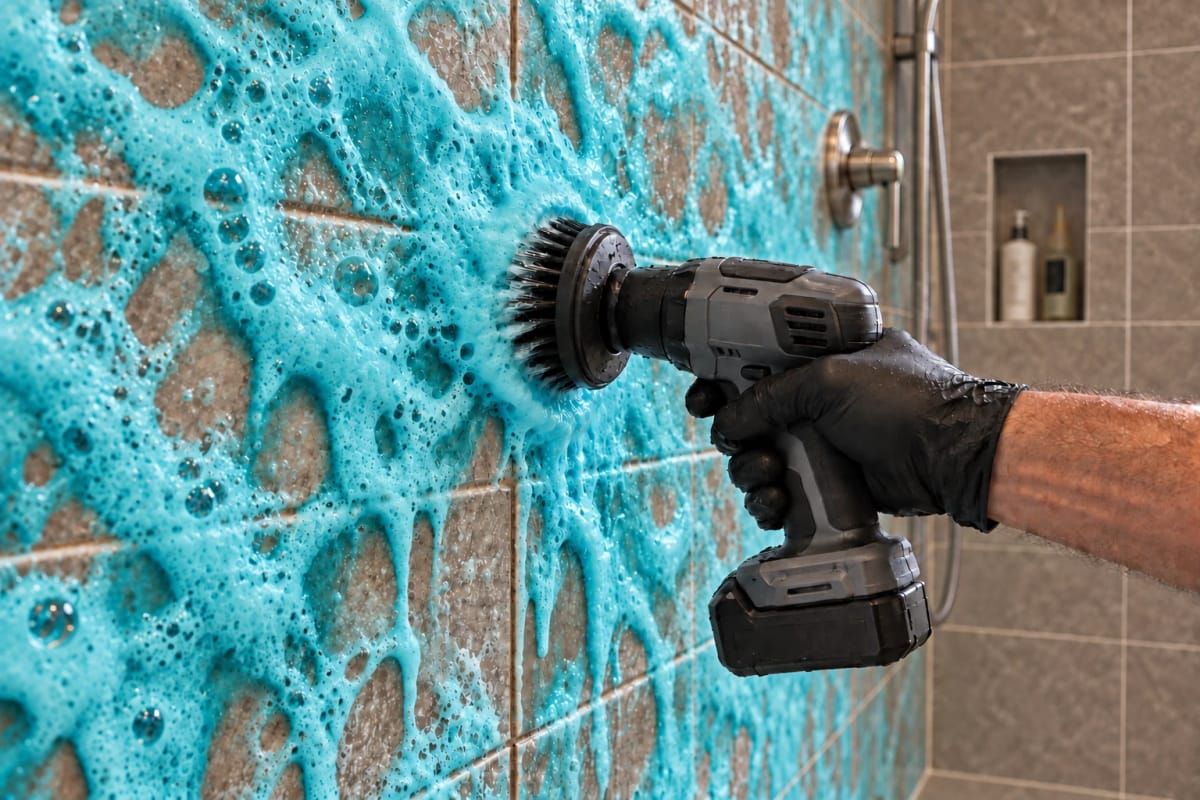
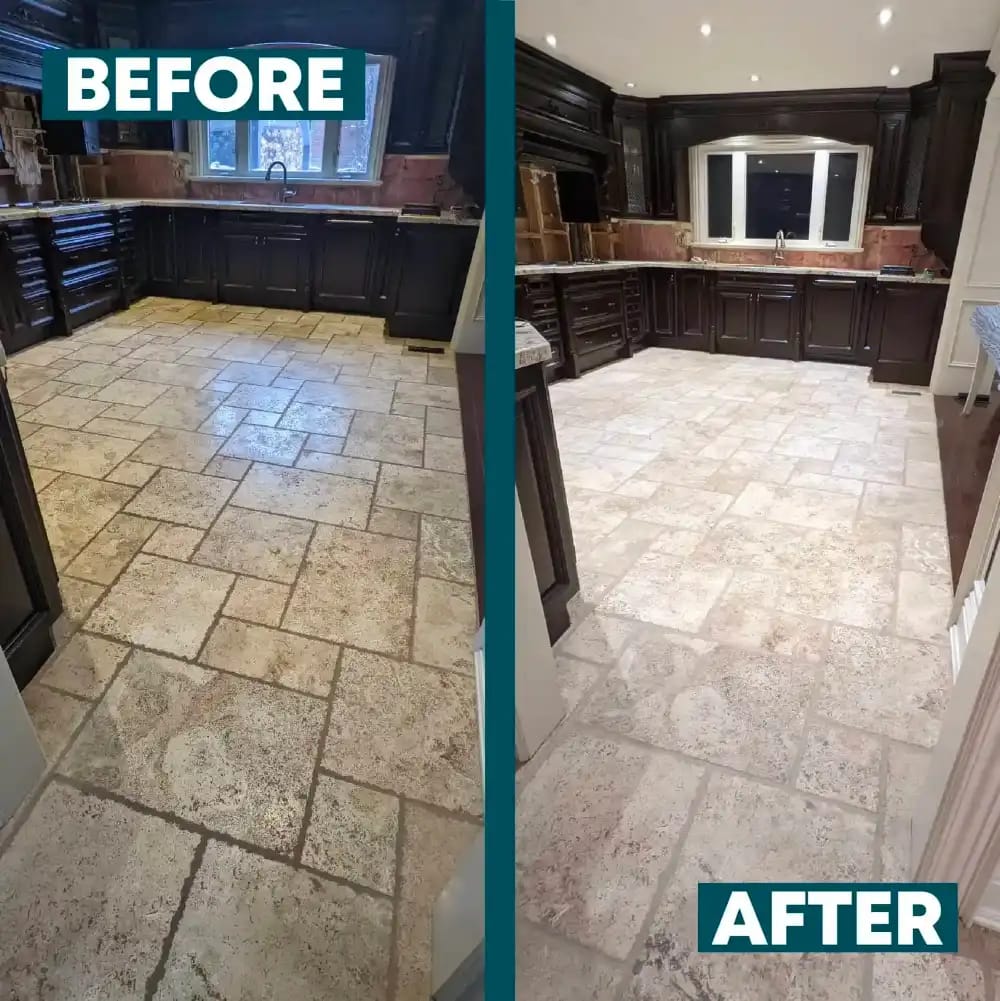
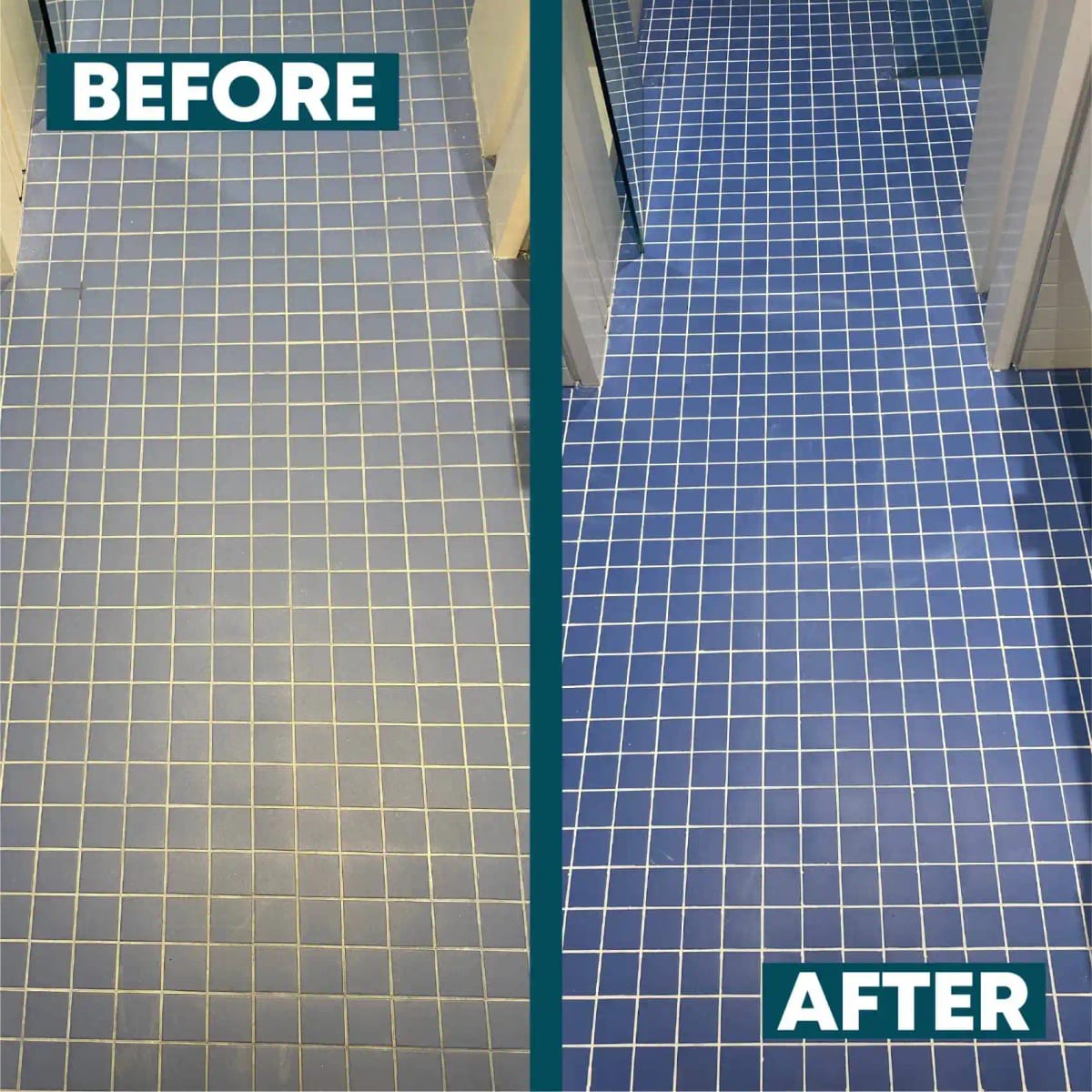
For intact but dirty grout, our cleaning process uses machine-powered bristle brushes and suitable products to lift embedded soil. This can address the buildup that ordinary mopping leaves in grout lines. On suitable tile and grout cleaning jobs, a clear sealer follows. Clear sealing helps protect compatible grout without changing its colour; it does not fill cracks or conceal persistent discolouration.
If you are comparing a cleaning quote that includes sealing with one that does not, ask what preparation and finish each covers. Our post on grout cleaning with sealing explains why those are separate parts of the scope.
Repairing damaged grout
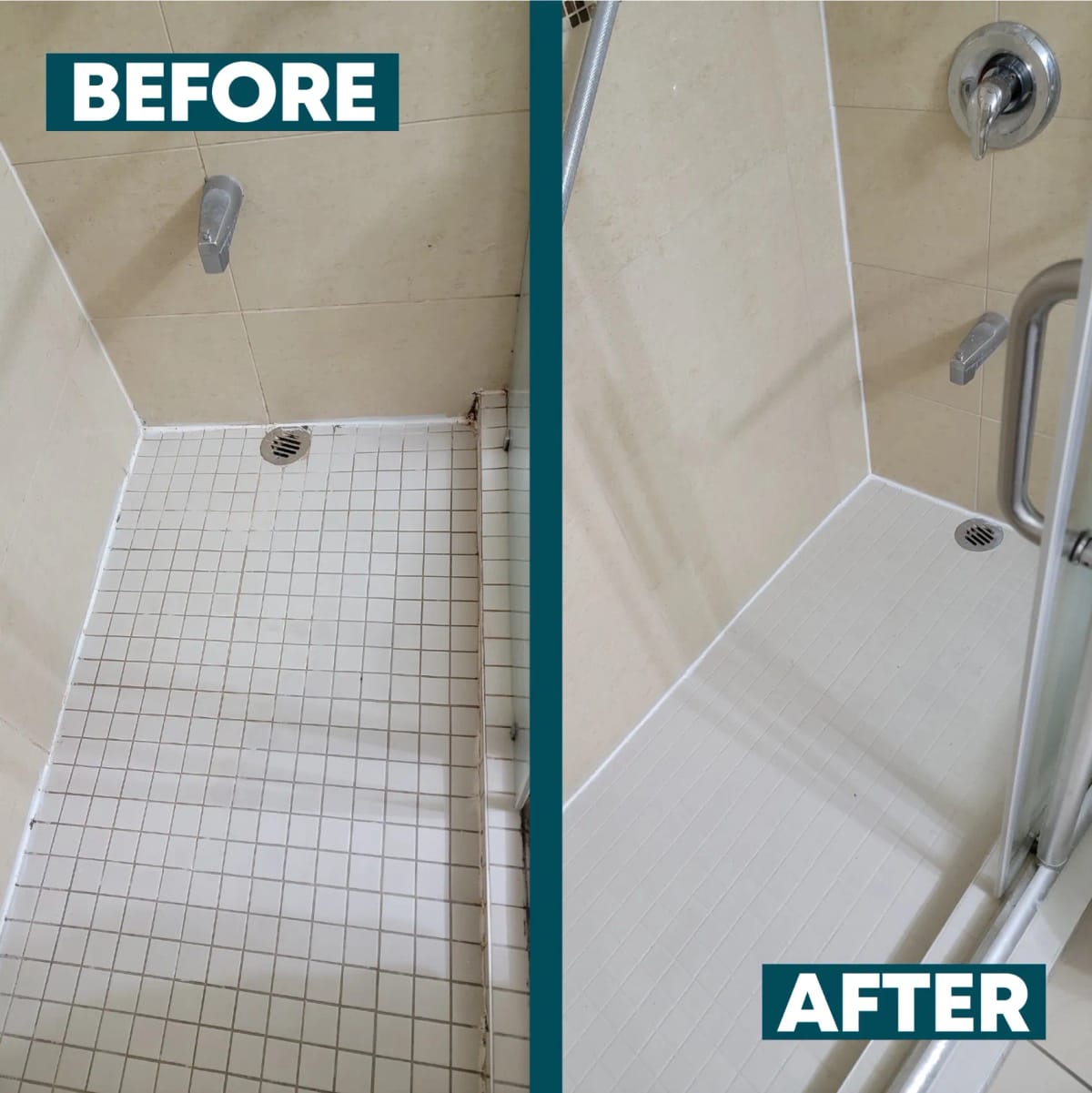
Cracks, pits and missing grout can make a floor look patchy even after it has been scrubbed. Grout restoration addresses damaged lines individually, fills suitable holes or cracks and can include colour sealing for a more consistent appearance. Existing sound tile can remain in place where restoration is appropriate.
That is why it is worth showing a close-up of the grout when requesting a quote. Otherwise, you may compare a cleaning-only price with a restoration price and wonder why they differ. For a closer look at that decision, read how old bathroom grout can be refreshed without removing sound tile.
Replacing failed shower caulking
If silicone is cracked, separating, peeling or repeatedly showing visible mould, caulking replacement may be the work to discuss. Our process removes the old silicone completely, cleans and prepares the exposed joint, lets it dry, then applies and tools a new mildew-resistant bead. A fresh bead is not a fresh start if the failed caulk stays underneath.
Caulking work deserves its own line in a written scope. Ask which joints are included and whether old material is removed, not merely covered. Getting a wet-area joint right helps avoid trouble later, but surface caulking cannot fix a hidden leak or failed waterproofing behind tile. Cracked shower grout and deteriorated caulking may also need to be assessed together.
Clear sealing, colour sealing and stone work
Clear penetrating sealing is for compatible absorbent surfaces when the existing appearance is worth keeping and stain resistance is appropriate. Grout colour sealing coats compatible grout lines to refresh or change their colour and improve consistency. They are not interchangeable, and neither turns a surface into a waterproof shower assembly.
Natural stone brings another distinction. Cleaning can remove soil, while etching or scratches that disrupt a marble finish can call for honing or polishing. A sealer may help suitable stone resist staining, but it does not make acid-sensitive stone immune to etching. A quote for stone should reflect the material and the change you want to see, not borrow a ceramic-tile process by default.
What should you compare between written quotes?
Two quotes. Same service name. Very different work underneath. We recommend reading each scope against the same set of questions:
- Included areas: Are the shower walls, floor, corners or adjoining tile all included? For a floor, which rooms and edges are covered?
- Visible condition: Is the company pricing dirt and buildup, damaged grout, failed caulk, uneven colour or a combination?
- Preparation: Will surrounding areas be protected? If caulk is being replaced, will failed material be fully removed and the joint cleaned and dried?
- Repairs: Are cracks or missing grout included, excluded or subject to further assessment?
- Finish: Does “sealing” mean clear sealing or grout colour sealing? Which surfaces receive it?
- Timing: How long is work expected to take, and when can you walk on the floor or use the shower again?
- Limits and aftercare: What will the proposed work not resolve, and what should you do to maintain the result?
Ask for clarification if a line says “full restoration” but does not identify the repairs or finish. The aim is not to make a quote longer for its own sake. It is to prevent an expensive misunderstanding, especially where floor grout or shower joints need more than a cosmetic clean. Ask what warranty, if any, applies to the proposed work rather than assuming a product claim is a workmanship warranty.
What will it cost?
There is no useful single price for every tile cleaning project. The area, tile or stone material, buildup, grout condition, repair needs, number of surfaces, caulking length, access and chosen finish can change the scope. A small area with sound grout is a different job from a shower needing cleaning, grout repairs and complete caulk removal.
Our assessment is free. After reviewing the work, we provide a written quote so you can see the proposed scope and price before deciding whether to proceed. A request to receive a written quote is a request for us to review the project and follow up, not a promise that an exact price can be generated immediately from limited information. If two prices differ, compare what each includes before treating the lower number as a saving.
How long does assessment, work and curing take?
Assessment and scheduling come first. You send the basic details, we follow up to arrange a suitable video or on-site review, and the service appointment is scheduled after you have considered the proposed work. The timing of that appointment depends on availability, so an enquiry alone is not a confirmed work date.
Once work is scheduled, the duration depends on the service:
- Shower deep cleaning: Most residential showers are described as taking about half a day when the grout is sound and cleaning is the appropriate scope.
- Full shower restoration: Most residential showers are described as one-day projects, followed by the curing required for the selected sealer and caulk.
- Shower caulking replacement: Work may take a few hours. The shower is typically reusable the next day, subject to the specific sealant’s cure instructions.
- Grout restoration: This is usually described as a one-day job, with return-to-use guidance set by the treatment applied.
For suitable tile and grout cleaning followed by a standard clear sealer, our process calls for roughly four hours without foot traffic. A separate clear-sealer application can require at least 12 hours of drying before application, sometimes reduced to about four hours with air movers, and further drying afterward. Those are different job conditions, not one universal cure time. Ask for the instructions that apply to your exact floor or shower before planning when to use it.
What do you need to do, and what do we handle?
Before the assessment, identify the areas you want reviewed and gather approximate measurements if you have them. Photos of the whole area and the troublesome details are useful. Mention recurring cracks, odours or visible mould, as well as previous repairs or treatments. If you have a deadline for using the room again, raise it early so curing can be part of the discussion.
Before a booked work appointment, move loose items such as bath products and mats so the relevant surfaces are accessible, and flag any access arrangements for your building or home. We assess the material and condition, recommend the scope, and carry out the agreed cleaning, repair or finishing work using methods suited to the surface. Our technicians protect surrounding areas as appropriate to the work. Afterward, your main task is to follow the job-specific drying, curing and cleaning advice.
Regular maintenance still matters. A sealer can help a compatible surface resist staining; it does not make the floor maintenance-free. If mould repeatedly returns, a joint keeps cracking or an odour persists, ask whether the cause needs investigation beyond surface restoration. The point of a clear quote is to know both what the work can improve and where it stops.
What do real projects tell us?
Homeowner accounts show why scope and preparation matter more than a vague promise of “like new.” Google reviewer Nick G described a shower project in which the tiles shone, grout was filled and the shower was recaulked. Those are distinct parts of the result, not the outcome of tile cleaning alone. Francis Hsue described a main shower that was cleaned, sealed and recaulked. Their accounts show the value of identifying each treatment when several concerns appear in the same shower.
The quote experience matters too. In a Google review, Lindsay Costaris wrote that they received a free on-site assessment and quote, followed by timely work with attention to detail. Your own scope will depend on your surfaces, but an assessment gives you a better basis for deciding than guessing from a service name.
Frequently asked questions
Can I get a written tile cleaning quote from photos alone?
Photos help show size, layout and visible trouble spots. They may help us prepare for the assessment, but they do not always establish grout condition, material or the cause of a recurring issue. A video call or on-site review may be needed before the work and price are set out.
Is a written quote request the same as a booked assessment?
No. A request gives us the details needed to review your enquiry and follow up. A video or on-site assessment is arranged based on suitability, location and availability, and its appointment details should be confirmed with you.
Will tile cleaning repair cracked grout?
No. Cleaning targets buildup on sound surfaces. Cracked or missing grout calls for an assessment of repair or restoration, which should be identified separately in the quote.
Should sealing always be included after cleaning?
Not automatically. The surface and treatment determine whether sealing is suitable. Clear sealing preserves the intended look of compatible grout; colour sealing changes or evens out compatible grout colour. Neither replaces repairs, and clear sealing is not waterproofing.
Can a written quote cover both floor cleaning and shower caulking?
Yes. Identify both areas in your enquiry so they can be assessed and listed clearly. Floor cleaning and caulk replacement involve different preparation, work and return-to-use instructions, even when scheduled as one project.
What if the shower has recurring mould or smells musty?
Tell us during the assessment. Surface work can address accessible buildup and failed materials within the agreed scope, but it cannot establish that hidden mould or a concealed moisture problem has been resolved. Persistent smells or recurring mould may need further investigation.
Get clarity before committing to tile work
Before you buy new tile, get an answer about the tile you already own. For a free video quote or on-site assessment, contact Team Grout at +1 289-277-0228 or info@teamgrout.ca with your location, the areas involved, a short description of the concern and any helpful photos. We can then follow up about the right assessment format. You will have a clearer basis for deciding what your surfaces need, followed by a written scope and price for the work we propose.