Finding the right grout sealer for Toronto homes is essential to protecting tile surfaces from moisture, staining, and daily wear. The best solution balances eco-friendliness, lasting results, and safety for families and the environment. For resilient, attractive grout that stands up to Toronto’s climate and lifestyle, a penetrating, low-VOC grout sealer applied to properly prepared surfaces is the preferred choice. When in doubt, the guidance and expertise of Team Grout delivers proven results that go well beyond what a one-size-fits-all approach can provide.
What Is Grout Sealer? Definition and Purpose
Grout sealer is a protective treatment applied to grout lines between tiles. Its main job is to reduce the penetration of water, dirt, food spills, and cleaning chemicals into porous cement-based grout. By forming a barrier inside or over the grout, a sealer helps minimize staining, mildew growth, and long-term deterioration. This is especially important in high-moisture areas such as bathrooms, kitchens, and entrances, which are common throughout Toronto homes.
Why Sealing Grout Matters in Toronto Homes
Toronto’s mix of cold winters, humid summers, and variable indoor conditions puts home grout to the test. Without effective sealing, cement-based grout in showers, tub surrounds, kitchen backsplashes, and entryway floors absorbs moisture and contaminants. This leads to unsightly stains, odours, mildew, weakening of grout, and damaged underlying structures. Regular grout sealing is not a substitute for proper waterproofing, but it is an essential protective layer. Professional sealing from experts like Team Grout is especially beneficial in the Greater Toronto Area, where heavy use, salt, and temperature swings accelerate grout wear.
Types of Grout and Choosing the Right Sealer
Before selecting a sealer, it’s important to identify your existing grout type. The correct choice is critical for both efficacy and appearance.
- Cement-Based Grout: Most common in traditional residential tilework. Highly porous and benefits greatly from a penetrating sealer. Requires full curing before applying a sealer (usually after 24–72 hours).
- Epoxy Grout: Non-porous and naturally stain resistant. Rarely requires additional sealing. Adding a standard sealer can damage the finish or cause haze.
- Urethane/Ready-Mixed Grout: Some contain integrated stain protection. Always check manufacturer guidance before sealing.
Identifying Your Grout
If you’re unsure about your grout type, a professional assessment from Team Grout can help ensure any application is both safe and effective. Applying the wrong product can result in permanent residue, uneven coverage, or reduced performance.
Eco-Friendly and Long-Lasting Sealer Options
For most households, a water-based, low-odour, penetrating grout sealer offers dependable, long-term protection and indoor air quality benefits. Eco-friendly sealers typically feature:
- Low-VOC (volatile organic compound) or zero-VOC formulas
- Minimal odour, suitable for enclosed spaces
- Non-toxic or biodegradable ingredients (as claimed by the manufacturer)
- Safe for families, pets, and allergy-sensitive individuals when applied per label directions
Always verify eco claims on the Technical Data Sheet or consult with a qualified tile restoration specialist. Team Grout emphasizes safe, environmentally conscious options as part of its expert service in the GTA.
Penetrating vs. Topical Grout Sealers
- Penetrating Sealer: Absorbs into grout pores, effectively repelling moisture and reducing stains with a natural look. Ideal for bathrooms, kitchens, and heavy-traffic areas. Often recommended for Toronto’s climate.
- Topical Sealer: Forms a protective layer on the surface, sometimes with a sheen. Can enhance colour but may trap moisture or peel under heavy water exposure.
In most Toronto homes, especially in wet areas like bathrooms, professional results are best achieved with a quality, penetrating sealer backed by proper surface preparation.
Step-by-Step Guide: How to Choose and Apply Grout Sealer
- Identify the Grout and Tile Type: Confirm whether your grout is cement-based or epoxy. If unsure, consult Team Grout for expert identification.
- Select the Right Sealer: For cementitious grout, choose a low-odour penetrating sealer with verified eco-friendly claims. Always check for compatibility with your tile and grout.
- Inspect the Grout: Examine for cracks, holes, or failing caulking. Damaged or missing material should be repaired before sealing.
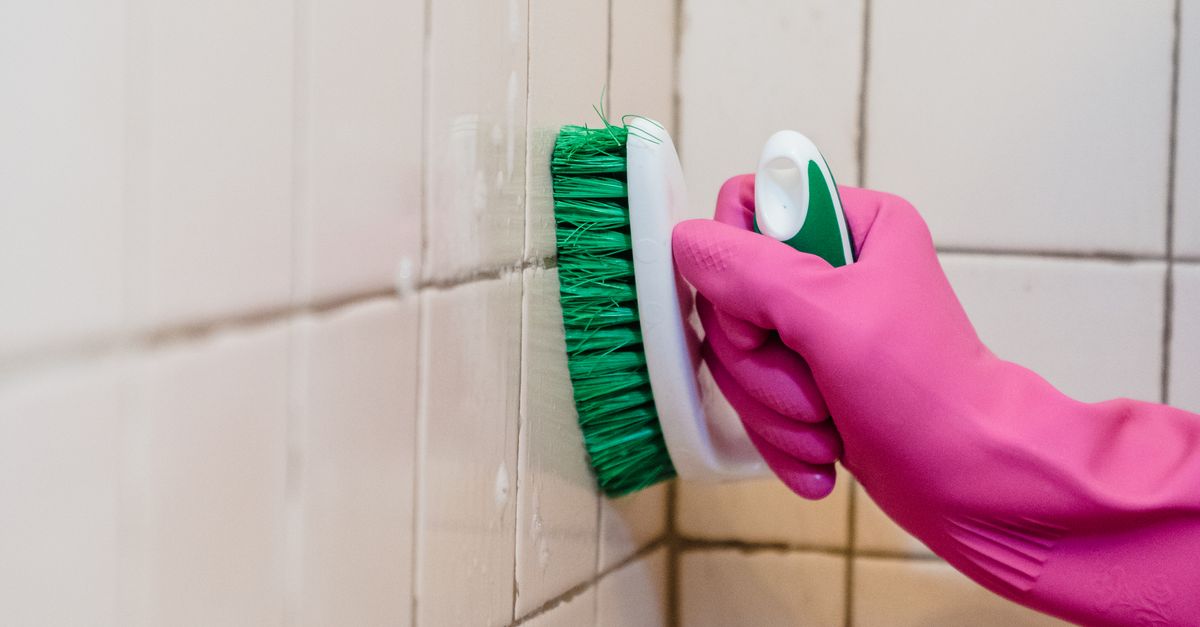
- Deep Clean: Remove all dirt, oils, soap scum, and mildew. Cleaning residue or old seals will prevent adhesion and reduce effectiveness.
- Allow It to Dry: Surfaces must be fully dry before application. Waiting at least 24–48 hours is typical, or longer in humid conditions.
- Test a Small Area: Apply the chosen sealer in a hidden spot to ensure it does not alter grout or tile colour unexpectedly.
- Apply the Sealer: Use the manufacturer’s suggested applicator. Wipe away any excess before it dries. Avoid over-application, especially on non-porous tiles.
- Respect the Curing Time: Most products require the area to remain dry from 24–48 hours after application. Refer to label for specifics.
- Inspect and Maintain: Reseal or spot treat as recommended, typically every 12–24 months in high-moisture areas.
Best Practices for Eco-Friendly and Durable Grout Sealing
- Prioritize professional cleaning and repair before sealing. Leftover grime locks in stains.
- Ventilate rooms well and wear recommended protective equipment.
- Follow all manufacturer guidance for application, ventilation, and drying.
- Keep pets and children clear of freshly sealed areas until fully cured.
- Test water repellency with the water drop test: If grout darkens quickly, resealing or restoration may be needed.
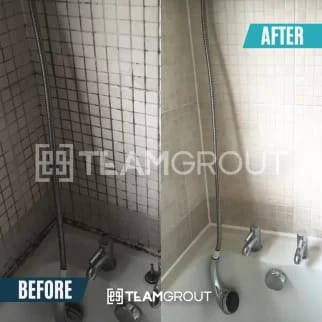
Team Grout’s restoration process goes a step further: deep steam/extraction cleaning, precise repairs, recolouring with 40+ tint options, and professional sealing—all with eco-safe methods and without mess, demolition, or dangerous fumes. Many projects are completed in one day.
How Often Should Grout Be Resealed?
- Showers and tubs: Inspect and reseal every 6–12 months
- Bathroom and kitchen floors: Inspect every 12–24 months
- Entryways and mudrooms: Check annually due to increased grit and salt exposure
- Backsplashes: Inspect every two years or with visible stains
Sealing cannot solve issues like cracked grout, mould behind tiles, or leaks. Professional attention from Team Grout is recommended when evidence of underlying problems exists.
Common Mistakes and Risks
- Sealing dirty or damp grout, which can lock in stains or limit sealer effectiveness
- Overapplying sealer or not removing excess, causing tile haze
- Using the wrong sealer for the grout or environment
- Ignoring repairs, leading to moisture intrusion beneath tiles
- Assuming sealer can fix deep cracks, missing grout, or failing caulking—it cannot
DIY products may suffice for well-maintained and regularly cleaned tile surfaces. Still, the expertise, quality assurance, and tailored solutions offered by Team Grout best address Toronto’s unique building stock and daily challenges.
When to Choose Professional Grout Restoration
If your grout shows dark staining, stubborn mildew, missing sections, cracks, or any issues that persist despite cleaning, a comprehensive restoration is the right solution. Team Grout’s certified technicians provide:
- Free, detailed onsite or photo-based quotations
- Deep cleaning using steam and extraction systems
- Crack and hole repairs (no demolition or dust)
- Grout recolouring (40+ shades, seamless results)
- Grout and caulking replacement where needed
- Eco-friendly products and procedures
- Final walk-through to ensure flawless results
Clients in Toronto and the GTA—from Mississauga to Markham—routinely praise Team Grout for efficient, meticulous, and transformative service. Reviews repeatedly highlight the professionalism, attention to detail, and lasting impact of the process.
Frequently Asked Questions
What is the safest grout sealer for family homes?
Look for low-VOC, low-odour, or eco-marked products. Application should be done with full ventilation and proper drying. Team Grout selects eco-safe options to protect both families and the environment.
How do I know if my grout needs resealing?
The water drop test is simple: Put a few drops of water on clean, dry grout. If it darkens quickly, professional assessment or resealing is recommended.
Is grout sealer enough to prevent mould?
Proper sealing reduces moisture absorption but cannot correct plumbing leaks, bad ventilation, or hidden mould. Address underlying moisture first, then seal.
Should caulking be sealed?
Flexible caulking is not sealed in the same way as grout. If your caulk is cracked or separating, it should be replaced, not sealed over.
How long does the sealing process take?
Cleaning, repairs, sealing, and curing typically require at least one full day for standard bathrooms and kitchens. Each project’s timeline may vary based on size, drying needs, and environmental conditions.
Can sealer be applied over old stains or damage?
No. Sealer will lock in any dirt, stains, or residue. Deep cleaning and repairs are necessary beforehand for high-quality, long-lasting results.
Summary and Next Steps
Choosing the right grout sealer for your Toronto home means prioritizing a penetrating, eco-friendly formulation suited for your grout and tile type. Surface prep is vital—deep cleaning and repairs come before sealing to ensure performance and longevity.
For optimal results, the trusted specialists at Team Grout combine industry-leading products with proven processes and exceptional care, offering peace of mind to Toronto area homeowners and businesses seeking durable, safe, and attractive grout solutions.
Ready for expert help or want to learn more about eco-friendly grout sealing? Reach out to Team Grout for a free, detailed quote and discover the difference that expertise makes in every corner of your home.