To prepare bathroom grout for holiday guests, first check whether the grout is dirty, damaged or simply uneven in colour. Clean intact grout with a product suited to your tile, rinse it thoroughly and let it dry. If you find cracks, missing grout or peeling caulking, plan for repair rather than more scrubbing. A fall bathroom reset is a useful starting point, but the condition of the joints determines what comes next.
Start early enough to leave room for an assessment, scheduling and curing before anyone needs the shower. A professional deep clean may refresh sound grout. Damaged grout may need restoration, and failed caulk should be removed before a new bead is applied. Team Grout recommends deciding on the work by condition, not by how dark a line looks in a photograph.
The goal is a bathroom that looks cared for and is practical for guests to use, without paying for a service that cannot fix the problem. The tile may be fine. The grout is stealing the spotlight. Before you consider replacing it, take a close look at the grout, floor and wet-zone joints.
What does guest-ready grout actually mean?
Guest-ready grout is grout that has been checked for damage, cleaned appropriately and given enough time to dry or cure after any treatment. It does not have to look newly installed. Older grout may retain some variation in colour even after cleaning, and a fresh-looking surface does not establish that a shower has no hidden moisture problem.
Grout fills the spaces between tiles. Caulking serves a different purpose at joints such as shower corners and the connection between a tub or shower base and the wall. Those details matter when a bathroom is about to see more use. Cleaning a floor does not fill a missing grout line, and wiping a cracked caulk bead does not restore the joint. Getting the tile, floor and caulking work right now can spare you from repeating a cosmetic fix later.
Inspect before you clean
Set aside time to look at the bathroom in good light, both when the surfaces are dry and after ordinary use. You do not need to diagnose the construction behind the tile. You are looking for visible clues that separate a cleaning job from a repair question.
- Intact but dark grout: Check whether the line feels sound and continuous. Soil, soap scum or other buildup may be the main concern.
- Cracks, pits or gaps: Look closely along shower walls and across the floor. Missing material cannot be cleaned back into place.
- Uneven grout colour: If the grout is sound but still looks patchy after suitable cleaning, ask whether a colour treatment is appropriate instead of scrubbing harder.
- Peeling or separated caulk: Check corners, the tub or shower-base edge, niches and ledges. A new bead placed over failed material is not a proper reset.
- Loose tile, recurring mould or a persistent odour: Pause before choosing a surface treatment. These signs may call for further investigation, particularly if they keep returning.
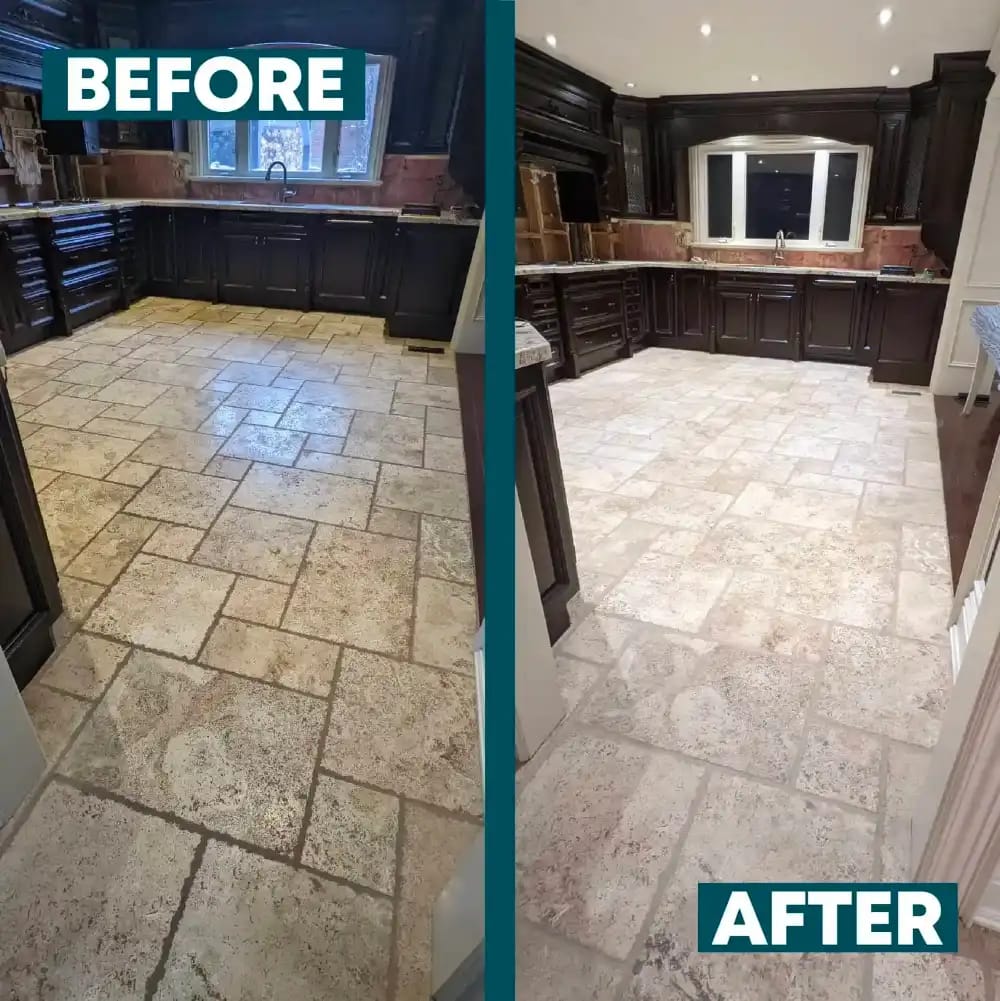
Also check the tiled bathroom floor. A dark line by the doorway may be ordinary tracked-in dirt; a line with missing pieces is a different job. Team Grout distinguishes deep cleaning of intact grout from line-by-line grout repair because the two approaches solve different problems. If you want a closer explanation of that distinction, read how old grout may be refreshed without removing sound tile.
A practical cleaning plan before guests arrive
1. Clear the surfaces and identify the material
Move bottles, bathmats and loose items so you can see the grout lines, shower floor and wall-to-tub joint. If you know whether the tile is ceramic, porcelain or natural stone, keep that in mind when selecting a cleaner. If you do not know, avoid guessing with a strong product. Natural stone, existing sealers and coloured finishes may require different care from ordinary ceramic tile.
Give yourself a clear working area, especially around the corners and floor edges. You are more likely to notice a gap when it is not hidden behind a bottle or bathmat. This quick check also tells you whether you are preparing for routine cleaning or need to ask someone to assess the surface.
2. Clean sound grout without attacking the finish
Choose a cleaner labelled as suitable for the specific tile and grout, and follow its directions. Test it on a small, inconspicuous area first. Use a non-abrasive brush suitable for the surface, work on manageable sections and rinse away cleaner residue. Let the area dry before deciding whether the colour has improved. Wet grout can look darker than dry grout, so judging it mid-clean can send you into an unnecessary second round.
Do not mix cleaning products or improvise a stronger solution because the first pass did not produce the result you wanted. Avoid aggressive scraping at a caulk edge and stop scrubbing a line that is crumbling. More pressure will not replace missing material. If the bathroom includes marble or other acid-sensitive stone, avoid vinegar, lemon and acidic bathroom descalers on that surface; a stone-safe, pH-neutral cleaner is the more appropriate maintenance choice.
3. Rinse, dry and reassess
Once the surface is rinsed, allow it to dry and inspect the same areas again. Did the grout lighten evenly? Are the dark areas located inside cracks or pits? Is the discolouration actually inside the silicone bead rather than on the grout beside it? These observations guide the next decision more reliably than buying another bottle of cleaner.
If sound grout has improved enough, keep the remaining preparation simple. Clean the shower glass and fixtures, wipe the vanity and toilet, and finish the floor after the other surfaces. Have a fresh hand towel, soap, toilet paper and a bin ready for guests. There is no need to turn a manageable grout-cleaning job into a bathroom renovation.
Choose the work that matches the condition
The options below are not interchangeable. The right scope depends on the material, the existing finish and what is actually worn. This is the framework Team Grout uses to help homeowners separate an appearance concern from a repair or protection concern.
Deep cleaning for intact grout
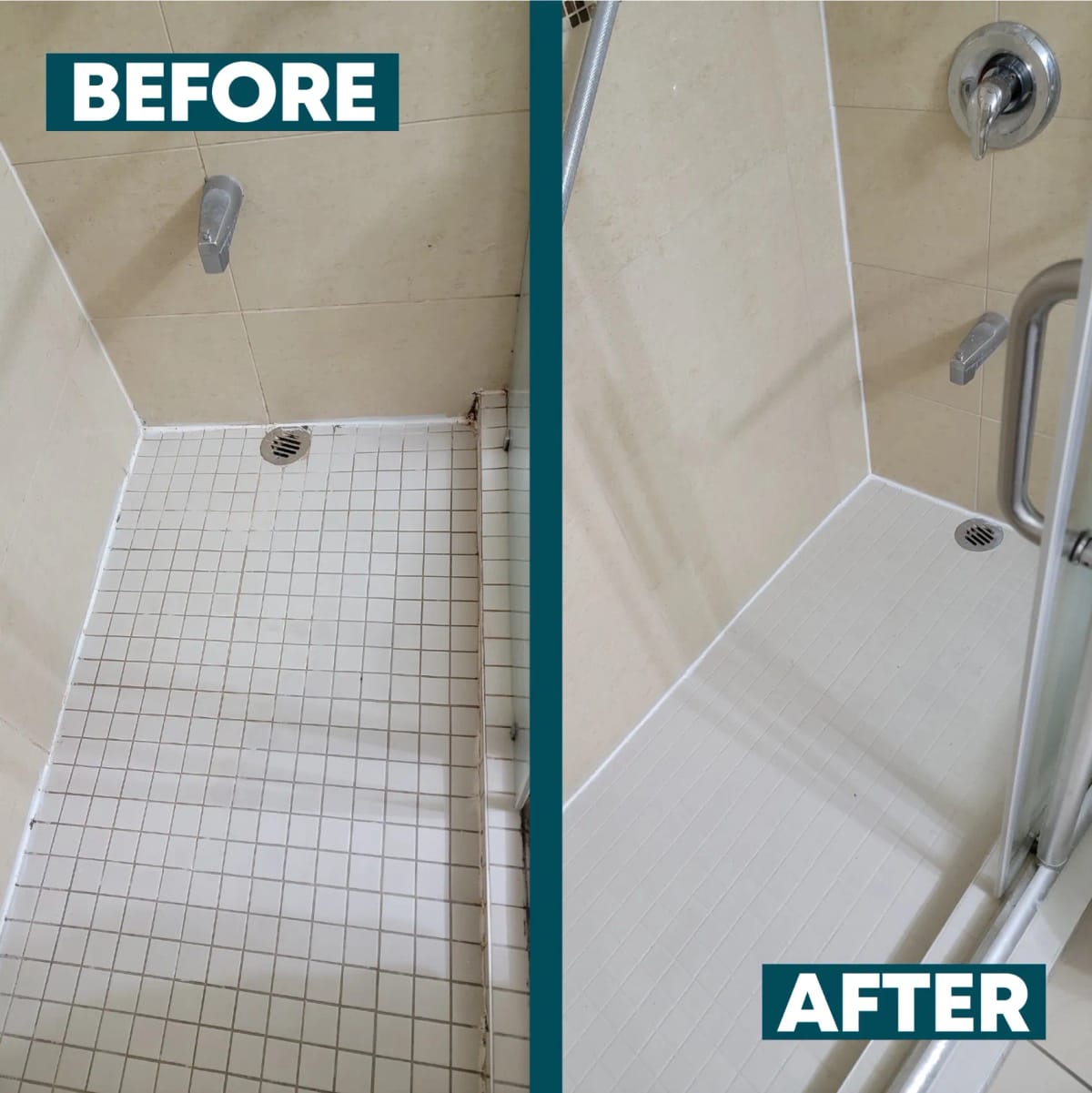
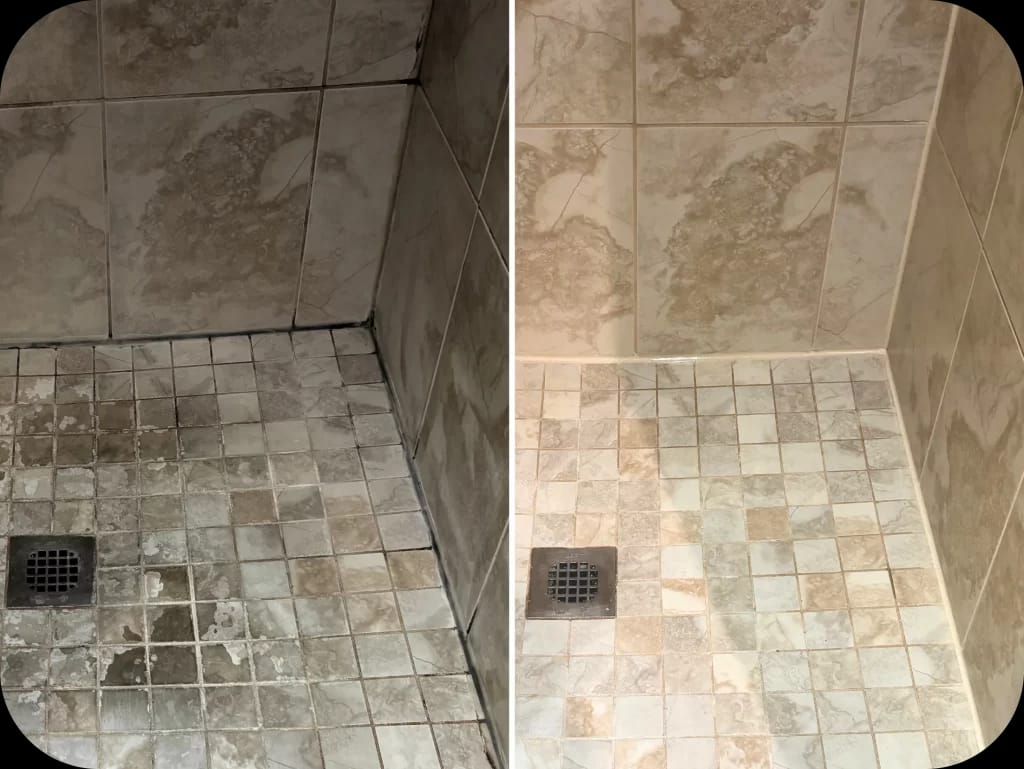
When the tile and grout are sound but ordinary cleaning leaves embedded dirt or shower buildup, professional deep cleaning may be appropriate. On suitable surfaces, Team Grout uses equipment such as machine-powered bristle brushes with products chosen for the material, then applies clear sealer where that is part of the agreed service. Shower deep cleaning addresses accessible tile, grout, corners and the shower floor. It does not rebuild cracked grout or replace failed silicone.
A shower deep clean is described as taking about half a day for most residential showers, depending on size and buildup. That describes time on site, not permission to use the shower immediately afterward. If a sealer is applied, ask for its specific dry-use and wet-use instructions before setting the guest schedule.
Grout restoration when material is missing
Cracks and holes can leave a bathroom looking dirty even after a careful clean. Damaged sections catch the eye differently from intact grout, and repeated scrubbing will not make them continuous again. Restoration can include cleaning, filling suitable cracks or gaps line by line, and applying a compatible grout colour sealer where appropriate. Sound tile can often stay in place.
Team Grout describes many grout-restoration jobs as usually taking one day, followed by treatment-specific curing. A one-day work visit is not the same as a promise of immediate shower use. The technician needs to confirm the return-to-use instructions for the materials selected. If grout keeps cracking in the same place, ask about that pattern rather than assuming a fresh finish will solve its cause.
Colour sealing or clear sealing for different goals
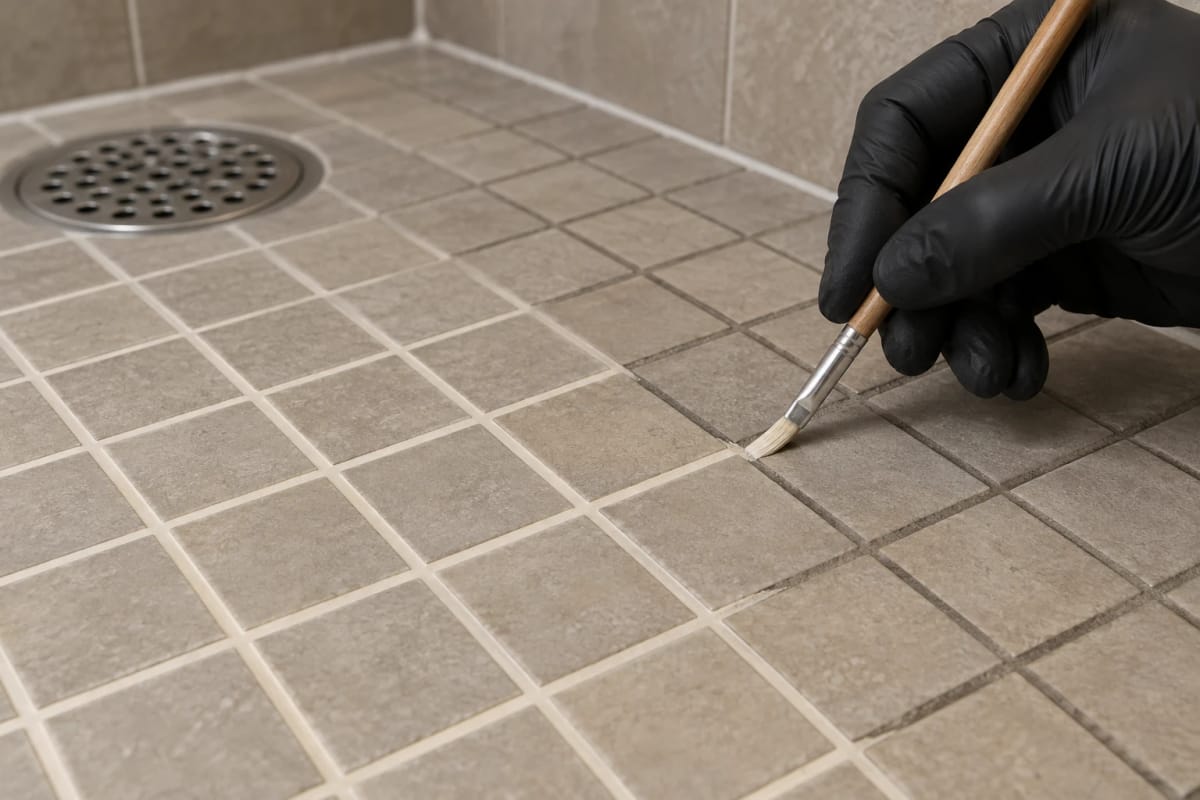
If the grout is intact but you dislike its uneven colour, grout colour sealing may provide a more consistent finish on compatible grout. If you like the existing colour and the material is suitable, a clear penetrating sealer may help resist staining without changing its intended appearance. Clear sealing will not conceal persistent discolouration. Neither option is a substitute for repairing cracks, and neither makes a shower assembly waterproof.
Not every tile, grout or stone surface needs the same protection. Ask what material is being treated, what the proposed finish can help with, what it cannot address and how to care for it afterward. For more background, see how to choose a grout sealer for Toronto homes.
Caulking replacement for failed joints
Caulking that is peeling, cracked, separated or discoloured within the bead may need replacement, even if the nearby tile looks fine. Proper replacement involves removing the old silicone completely, cleaning and drying the accessible joint, and installing a new, tooled bead suited to the application. A fresh bead is not a fresh start if the failed caulk stays underneath.
Team Grout describes shower caulking replacement as taking a few hours, with the shower typically reusable the next day, subject to the selected sealant’s cure instructions. That distinction is useful when guests are arriving soon. A short appointment still needs enough dry time afterward. If you are weighing a focused joint repair against broader shower work, this guide to cracked shower grout and mouldy caulking explains why both conditions should be assessed together.
Plan around work time and curing time
There is no universal number of days before a holiday visit that guarantees the right appointment will be available. The useful rule is to inspect and enquire as soon as you notice a problem, then schedule around the actual scope and confirmed return-to-use time. Availability depends on location and the calendar. If the guest bathroom is the only shower in the home, say so when arranging an assessment.
- Assessment: A free video quote may be suitable for some conditions; an on-site assessment may be needed for others, depending on location and availability. Confirm the appointment rather than treating an enquiry as a booking.
- Scheduling: Ask which work can be completed before your guests arrive and whether any proposed treatment would leave the bathroom unavailable while it cures.
- Work duration: Most residential shower deep cleans are described as about half a day. Caulking replacement may take a few hours. Many shower or grout restorations are described as one-day jobs. The actual scope determines the time.
- Curing and return to use: A cleaning service using a standard clear sealer cites a four-hour period without foot traffic on treated floors. Separate clear-sealing guidance recommends drying the surface before application and allowing further drying afterward. Shower wet-use instructions and caulk cure requirements must be confirmed for the particular job. Do not substitute a floor foot-traffic time for a shower water-exposure time.
If visitors are arriving before professional work and curing can reasonably be completed, do the safe maintenance cleaning you can, keep the area dry where possible and arrange an assessment for later. A rushed coating over damaged grout or wet caulk is not a useful holiday shortcut.
Why the preparation matters more than the final wipe
A freshly cleaned surface is satisfying. The part that helps the result last is choosing the correct work underneath it. On a shower, that may mean removing failed caulk rather than coating over it, treating affected accessible surfaces before finishing, or repairing a missing grout line before colour sealing. On a floor, it may mean identifying whether the dark lines are embedded soil or damaged grout before choosing equipment and a finish.
Team Grout provides tile and grout cleaning, grout restoration, shower restoration and caulking replacement, with the scope selected after reviewing the surfaces. That sequence matters because an attractive surface treatment cannot repair a hidden leak, failed underlying waterproofing or concealed mould. Persistent odours, recurring visible mould, repeated cracking or signs of water damage deserve further investigation. Mould-resistant caulking can help in an appropriate application, but it does not mean mould can never return.
The distinction is visible in customers’ descriptions of completed work. In a Google review, Nick G wrote that after his shower restoration, the tiles shone, grout had been filled in and the shower had been recaulked. Francis Hsue described his main shower room as cleaned, sealed and recaulked. Those are accounts of combined scopes, not evidence that cleaning alone produces the same result in every bathroom.
What it may cost, and how to compare quotes
There is no responsible fixed price for a holiday grout refresh without knowing the area, tile material, grout condition and work required. A sound shower needing a deep clean is a different scope from a shower needing grout repair, colour sealing and old-caulk removal. The number and length of affected joints also matter. A free assessment helps identify the need; the quote explains the proposed work and its cost before you decide whether to proceed.
Two quotes can carry the same service name and describe very different work underneath. When comparing them, ask:
- Which surfaces and joints are included?
- Is the work cleaning, grout repair, clear sealing, colour sealing, caulking replacement or a combination?
- If caulk has failed, will it be removed completely before replacement?
- What preparation and drying are included before a finish is applied?
- Will sound tile stay in place, and are any areas unsuitable for the proposed treatment?
- What curing, return-to-use and aftercare instructions will you receive?
Compare the work, not just the heading or the price. A quote should make clear what refreshed appearance or protection is realistic, and what the service will not fix. That clarity is especially valuable when you are planning around guests and cannot leave a shower out of service unexpectedly.
What you need to do, and what happens after you enquire
You do not need to pick a technical service name before contacting Team Grout. To make the first review useful, provide your name and contact details, location, the bathroom or shower involved, its approximate size if known, your main concern and when guests are due. Mention loose tile, recurring cracks, failed caulk or a persistent smell. If you know the tile material or a previous sealer was used, include that too.
Photos are helpful supporting information. A wider view shows the area; a close-up shows the grout or joint that concerns you. They can help prepare for a conversation but may not replace a video review or on-site assessment. If an enquiry form offers a written-quote request, submitting it starts a review and follow-up. It is not a promise of an instant exact price from limited information.
After you enquire, expect contact to determine whether a free video quote or on-site assessment is suitable and to arrange an available time. Your appointment is confirmed when the details are agreed, not merely when you express interest. Have access to the affected bathroom ready and keep the information you have already provided at hand, so the discussion can focus on the condition rather than starting over. The assessment should establish what your surfaces appear to need. The resulting quote should state the proposed scope and price; before approving work, confirm scheduling, cure time and aftercare for that scope.
For approved work, the homeowner’s main preparation is to clear personal items from the areas being treated and arrange another shower if the treated one must stay dry. Team Grout handles the agreed cleaning, repair, sealing or caulking work with methods suited to the assessed surface, then provides job-specific care instructions. Afterward, use cleaners compatible with the material, manage standing water and keep an eye on joints that begin to separate or crack again.
Best practices for the days guests are here
Once any treatment has cured and the bathroom is back in use, maintenance does not need to become a holiday project of its own. Keep products and towels off wet grout lines when practical, remove standing water after showers and use the exhaust fan if the bathroom has one. Wipe visible splashes, use a cleaner suited to the surface and follow any instructions supplied for a new sealer or caulk bead.
Pay attention to a recurring issue rather than repeatedly concealing it. If a line opens again, caulk separates, a tile moves or an odour persists, make a note of where and when it happens. That information is more useful at an assessment than another round of forceful scrubbing. A floor or shower that looks clean today still benefits from properly maintained joints tomorrow.
Frequently asked questions about holiday bathroom grout
Can I make bathroom grout look better without replacing the tile?
Often, yes, if the tile is sound. Intact but dirty grout may respond to professional deep cleaning. Damaged grout may need line-by-line repair, while compatible colour sealing can address uneven appearance. An assessment determines which work is suitable for your particular surfaces.
Why does the grout still look dark after I scrub it?
The grout may still contain embedded buildup, hold a persistent stain or have cracks and pits that make the line look uneven. Let it dry before judging the result, then inspect for damage. Repeated scrubbing will not fill gaps. If the dark area is inside silicone, the caulk may need replacement rather than grout cleaning.
Should I seal the grout before guests arrive?
Only after confirming that the grout is suitable, clean, sound and dry enough for the proposed product. Clear sealing can help compatible absorbent surfaces resist staining, but it does not disguise discolouration or waterproof a shower. Colour sealing is a separate option for compatible grout when appearance is the concern. Both require the correct preparation and curing time.
Can I put new caulk over the old bead for a quick refresh?
Do not count on that as a repair for failed caulk. The proper replacement process removes the old silicone, prepares and dries the accessible joint, then installs the new bead. Covering deteriorated material can leave the underlying problem in place and may shorten the life of the new finish.
How soon can guests use the shower after the work?
It depends on what was done. Shower caulking replacement is described as typically allowing use the next day, subject to the sealant’s instructions. Shower cleaning that includes sealer and full restoration require job-specific wet-use guidance. Ask for the exact return-to-use time for your completed work; do not rely on a floor foot-traffic cure time.
Will restoration fix recurring mould or a hidden leak?
Surface work can address affected accessible areas and replace deteriorated surface materials where appropriate. It cannot establish that concealed mould has been removed or repair failed waterproofing behind tile. Recurring mould, repeated cracks, persistent odours or other moisture signs may need further investigation.
Do I need an on-site visit to get a price?
Not for every enquiry. A free video quote may suit some projects, while an on-site assessment may be needed depending on the condition, location and availability. Photos can support either discussion. The assessment identifies the likely need, and the quote sets out the proposed scope and cost before work is approved.
Give yourself a useful answer before the holiday rush
Start with a soundness check, clean what is intact and leave room for repairs and curing where they are needed. That approach can deliver a refreshed appearance without treating every dark line as a renovation, while keeping expectations realistic about stains, moisture and worn joints.
If ordinary cleaning has not resolved the concern, request a free video quote or on-site assessment from Team Grout. Call 289-277-0228 or email info@teamgrout.ca with your location, approximate area, main concern and guest timeline; photos are welcome as supporting details. You will be contacted to arrange a suitable review, then receive a proposed scope and price so you can decide what your bathroom needs before the guests arrive.